
Fashion, Guides, Leather Jacket Tips
How to Style an Aviator Jacket Without Trying Too Hard
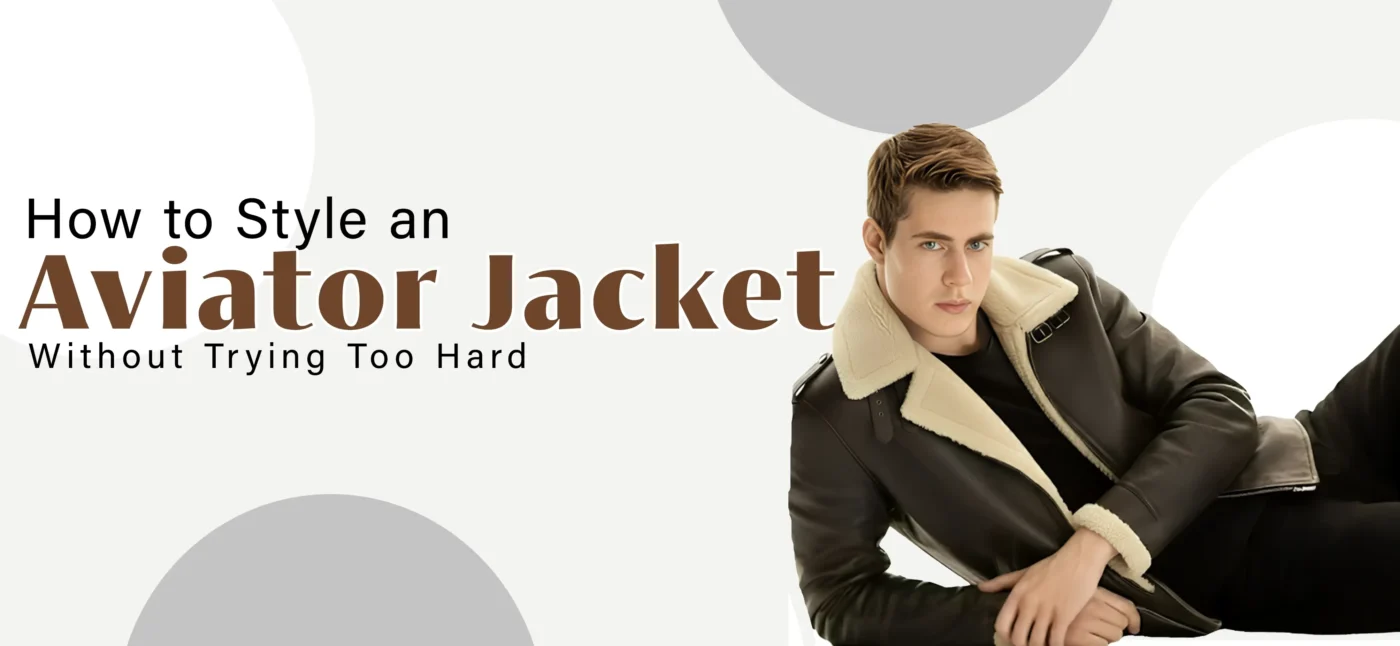
The Aviator Audit: Mastering Industrial Heritage
High-end outerwear shouldn’t require a manual to look right. When dealing with a leather Aviator Jacket, you aren’t just wearing a coat—you’re wearing a piece of aviation history designed for high-altitude resilience. At America Jackets, we build these garments to be blunt, direct, and versatile. An aviator jacket is a permanent wardrobe staple because it bridges the gap between functional “flight armor” and modern urban grit. It’s a piece that has survived the test of time because its purpose is rooted in durability, not passing trends.
This guide serves as a technical breakdown on how to integrate an aviator into your daily rotation without the “over-styled” fluff. Mastering the look requires an understanding of basic layering and material weight. Whether you are rocking a heavy-duty cowhide or a streamlined synthetic, the goal is a sharp, non-boxy silhouette. Let’s audit the build and explore how to deploy these heritage pieces with professional authority.
The Physics of the Flight Jacket: Why It Works
Aviator jackets originated as pilot Flight Jackets, engineered to keep crewmen alive in unpressurized, sub-zero cockpits. Over decades, that mechanical necessity transitioned into a streetwear icon. What makes it special today is the balance of thermal mass and perennial style. The layout is stripped of unnecessary clutter, focusing instead on rugged seams and heat-trapping collars. This industrial DNA allows it to sit perfectly in a contemporary wardrobe, providing warmth without sacrificing a hard-edged aesthetic.
Timeless Utility: Beyond the Season
Most fashion cycles move in months, but the aviator moves in decades. Its permanence in the rotation is simple: it handles the transition between fall, deep winter, and early spring with ease. Because these jackets are built with heavy-thread stitching and substantial hides, they pair naturally with other industrial basics. Whether you are matching it with raw denim, heavy-duty leather boots, or simple chinos, the aviator anchors the outfit. It’s the ultimate day-to-day attire for those who value gear that looks better the more it’s put to work.


Anatomical Precision: Finding the Right Fit
When it comes to heavy-duty outerwear, the “Master Tailor” fit overrides brand or price every time. For an aviator jacket to function as intended, it must allow for fluid anatomical movement without compromising the silhouette. The critical checkpoint is the shoulder seam—it should sit exactly at the edge of your natural frame. If the arms are too tight, you lose the ability to layer; if they are too loose, the jacket loses its heat-trapping efficiency.
A calculated, slightly relaxed fit in the torso is the AJ standard. This allows you to wear industrial-weight basics underneath while maintaining a non-boxy profile. When the frame is seated correctly, styling becomes effortless because the garment drapes naturally over your body’s lines. Remember, a jacket that fits properly shouldn’t just look good standing still—it should feel secure whether you’re behind the wheel or on the move.
The Architecture of Modern Aviator Styles
Modern aviation gear has branched into two distinct build profiles: Heritage Classic and Industrial Contemporary. Understanding the structural differences between them is the key to matching the jacket to your specific style rotation.
Our Men’s Aviator Jacket collection emphasizes high-density hides and saturated, deep tones. These are built with a heavier thermal mass to replicate the original flight deck grit. Conversely, our Women’s Aviator Jackets are engineered for a smoother, lightweight feel without sacrificing the hard-edged aesthetic. Both builds prioritize dual-needle reinforced stitching and solid-core hardware, ensuring you can wear either with the confidence of someone who knows their gear is built to last.
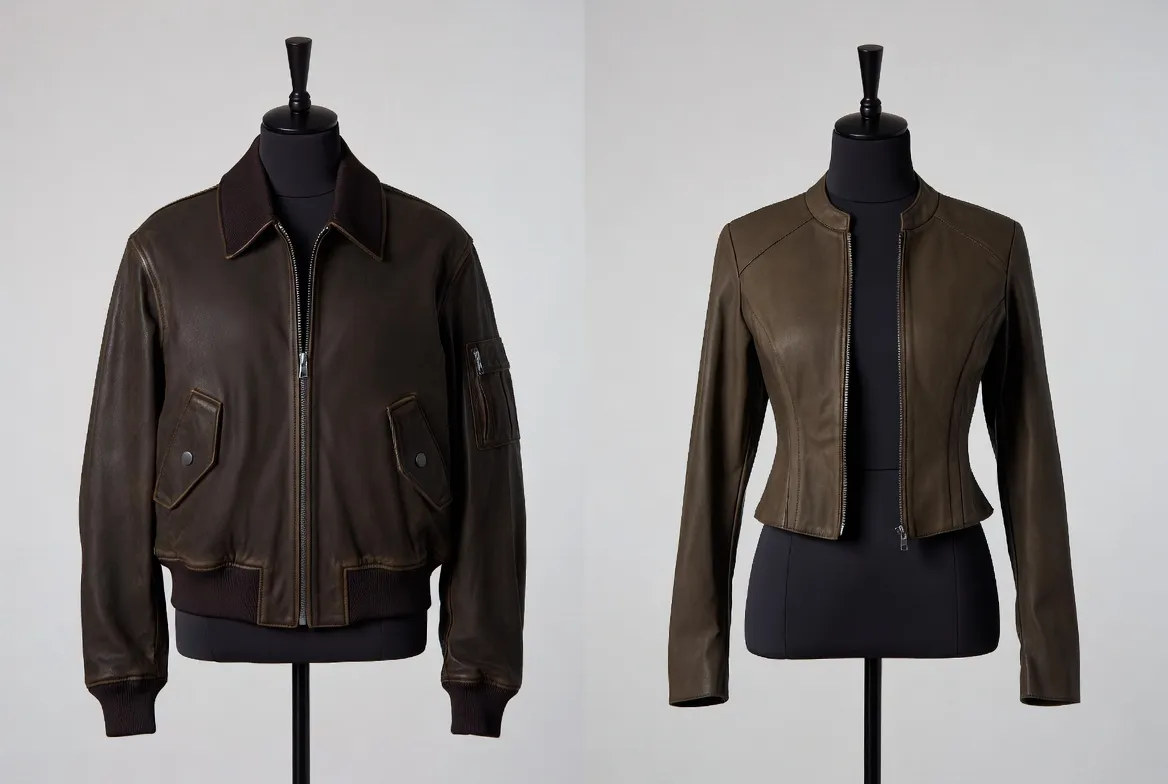
Material Integrity: Leather vs. Shearling Density
Selecting an aviator jacket is a choice between material resilience and thermal insulation. A high-density 1.2mm leather shell is the standard for wind protection and abrasion resistance; it creates a blunt, industrial contrast against softer, plain textures. This build thrives in transitional weather and pairs naturally with neutral, rugged tones. At America Jackets, we ensure our hides are tanned to maintain their natural oils, providing a supple feel despite the heavy-duty weight.
For those facing sub-zero conditions, the Shearling Aviator is the heavy-hitter. The internal wool lining isn’t just for comfort; it creates a multi-layered heat-trapping barrier. We offer two paths: the Real Sheepskin Aviator Jacket for maximum natural thermal regulation and the Industrial Vegan Shearling for a lightweight, cruelty-free footprint that retains the iconic “bunker” aesthetic. Both are engineered to allow for friction-free winter layering without the bulk often found in lower-grade high-street replicas.
The Historical Blueprint: Bomber vs. Flight Engineering
Not all aviators follow the same tactical design. The Bomber Aviator is defined by its sporty, rounded silhouette and ribbed elastic hems—originally designed to keep pilots agile in cramped cockpits. It offers a more casual, street-ready shape that works perfectly for daily urban utility. In contrast, a Flight Aviator (like the G-1 or B-3) is stricter, featuring a straight-cut waist and a heavy-gauge fur collar designed for maximum neck protection.
These designs do more than bridge a fashion gap; they are structural icons that bring a sense of industrial heritage to your rotation. By choosing a historically inspired frame, you are investing in a silhouette that has been field-tested for decades. At America Jackets, we re-engineer these blueprints with modern dual-needle stitching and solid-core hardware, ensuring your jacket is as reliable as the military originals that inspired them.


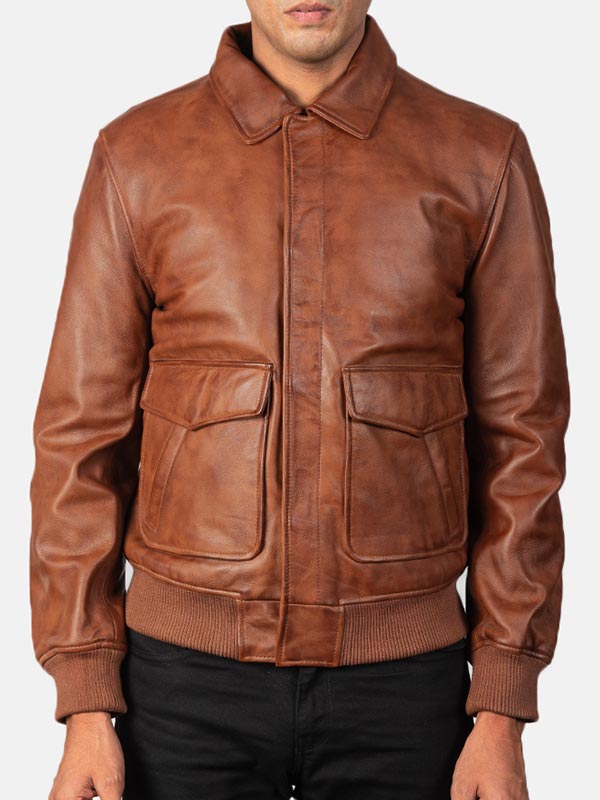
Industrial Color Palettes: Deploying Tone with Authority
Color selection for high-end leather is a matter of material depth and light-fastness. A Brown Leather Aviator is the heritage standard; it offers a rich, multi-tonal grain that develops a unique character as it scuffs and ages. This earthy palette is best deployed against high-density blue denim or light-toned neutrals to emphasize the organic texture of the hide. At America Jackets, we ensure our brown hides are saturated with deep tanning oils to prevent the “faded” look often seen in lower-grade high-street replicas.
For those seeking a sharper, more aggressive aesthetic, the Black Aviator Jacket is the industrial choice. It offers a clean, non-boxy silhouette that bridges the gap between urban streetwear and traditional flight gear. Black hides provide a high-contrast base that anchors almost any outfit, allowing the solid-core metal hardware to stand out as a technical detail. Using neutral tones alongside these jackets creates a styling balance that feels calculated and direct, rather than “over-styled.”
Cinematic Grit: Re-Engineering Movie Styles
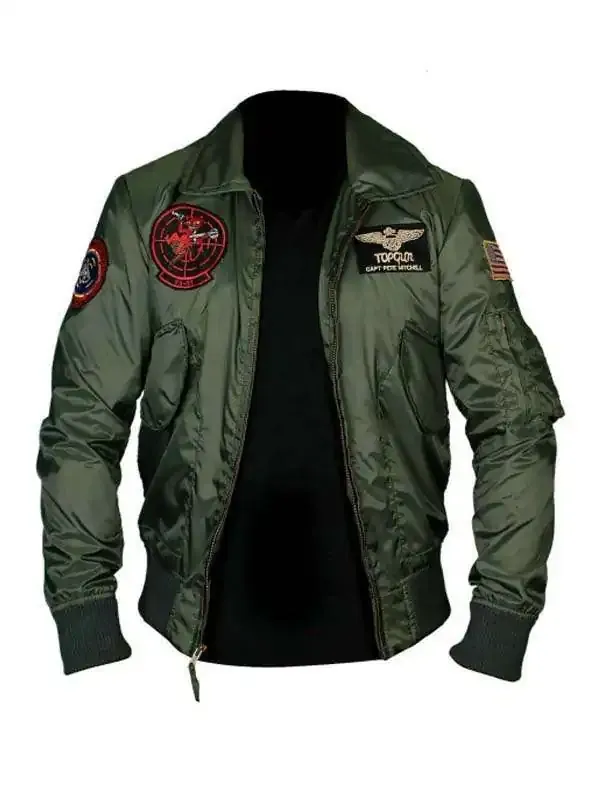
There is a specific weight to a jacket with history. A weathered, vintage-style aviator carries a “battered” aesthetic that communicates confidence and real-world use. This is the look of a garment that has survived miles of travel and years of wear. At America Jackets, we don’t just copy the screen—we analyze the build. This is why our Top Gun Outfits are so high-demand; they capture that brash, high-altitude energy using 1.2mm hides and cross-stitched heritage patches.
The iconic Tom Cruise Aviator Jacket style proved that basic garments—like a white high-density cotton tee and raw denim—can look incredibly powerful when anchored by a heavy-duty bomber. This “Hollywood Aviator” aesthetic is about effortless dominance. Whether you are wearing a piece inspired by classic aviation films or modern action cinema, the key is the fit and the material. When the build is honest, the style doesn’t need to be imposed—it’s just part of the gear.


The Military Blueprint: Functional Heritage
The Men’s Bomber Jackets of WWII aren’t just fashion inspiration; they are the original blueprints for survival. High-altitude pilots required extreme thermal insulation and unrestricted anatomical movement to operate in cramped cockpits. Every rib-knit cuff and heavy-duty zipper was engineered for a specific survival purpose. At America Jackets, we preserve this “classical aviator” DNA. This isn’t just a trend; it’s a meaningful piece of hardware that communicates a history of grit and industrial resilience.
Industrial Baselines: The Non-Boxy Layering Strategy
Styling high-end leather should be an exercise in subtraction, not addition. The jacket is the dominant piece of gear—the rest of your outfit should provide a clean, functional baseline. Start with high-density cotton tees, heavy-thread sweaters, and raw denim. Most successful aviator jacket outfits fail when they become over-cluttered. To maintain a sharp, non-boxy silhouette, focus on the weight of your layers. A high-quality Aviator Jacket does the heavy lifting for you.
The “Master Tailor” approach to casual aviator styles is built on weight balance. Pair your heavy-duty hide with solid-sole leather boots and a straightforward, friction-free hoodie. There is no need to over-analyze the aesthetics when the build is this honest. By keeping your under-layers low-profile, you allow the industrial texture of the leather and the density of the shearling to define your frame without looking like a costume.
Industrial Street Style: Utility Over Aesthetics
Street style isn’t about chasing “the look”; it’s about deploying gear that survives the daily grind. An aviator jacket is the ultimate industrial anchor for urban utility. When we talk about street-ready builds, we mean pairing your 1.2mm hide with standardized basics that don’t compete for attention. Mastering the “layered” street look requires calculated depth—using different fabric weights to create a silhouette that looks effortless but remains structurally sound. Focus on the fit of your baseline layers to ensure your Men’s Aviator Jacket remains the dominant piece in your rotation.
The Raw Denim Bridge: Weight Balance
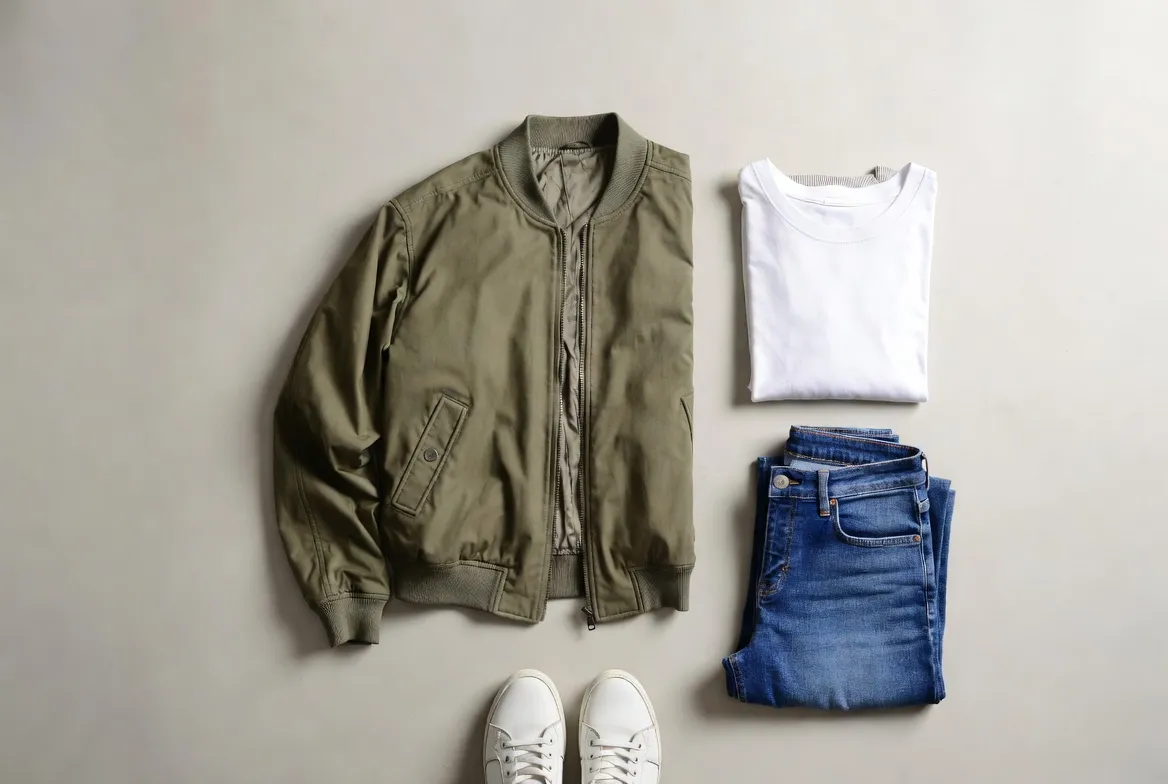
The combination of an aviator jacket and jeans is a classic “Master Tailor” pairing because of the weight balance between the leather and the denim. This isn’t just a casual choice; it’s a functional one. For a rugged, self-confident profile, we recommend raw, high-density denim that matches the grit of the jacket’s hide. Avoid overly distressed designs or “fast-fashion” cuts that lack the fiber strength to balance a heavy-duty bomber. Keep the lines clean and the fit natural; a straightforward silhouette is always the most powerful deployment of this heritage gear.
Mechanical Layering: The Hoodie Integration
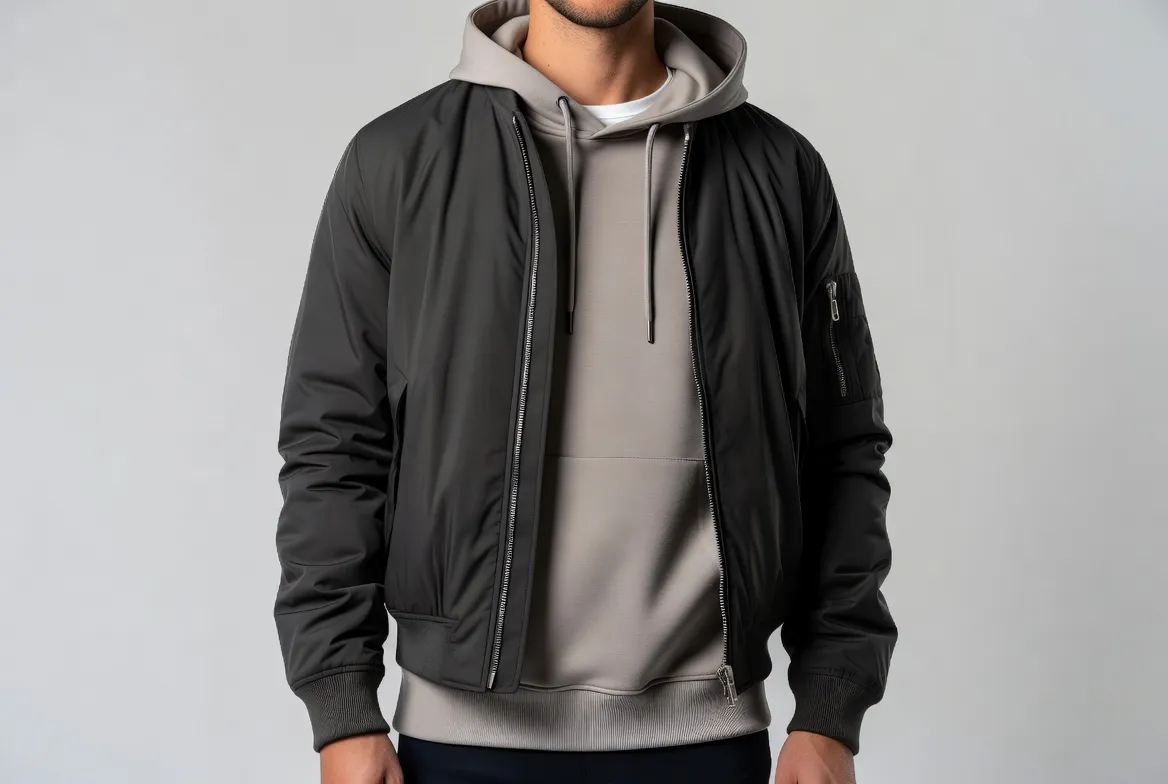
Layering is a mechanical strategy to increase thermal regulation without adding unnecessary bulk. Integrating a friction-free hoodie under your aviator is the gold standard for informal, cold-weather arrangements. This “Hoodie Aviator” setup provides an extra layer of wind protection while maintaining a sharp, non-boxy frame. At America Jackets, we engineer our Women’s Aviator Jackets and men’s flight gear with enough chest clearance to accommodate these layers comfortably. You get the warmth of heavy-duty outerwear without the restrictive feel of “thick” clothing—perfect for day-to-day urban assurance.
Winter Thermal Dynamics: Low-Stress Utility
Sub-zero temperatures don’t require sacrificing your silhouette for warmth. An aviator jacket is engineered for **thermal regulation**, utilizing high-density hides and heat-trapping collars to create a multi-layered barrier against the wind. In the AJ workshop, we prioritize “functional layering”—pairing your 1.2mm leather shell with high-density knits and solid-sole leather boots. This setup ensures you stay cozy throughout the daily grind without the bulk of traditional “stuffy” winter wear. It’s why our builds are consistently rated as the best winter aviator jackets for those who demand both industrial utility and a sharp aesthetic.
Anatomical Precision: Men’s vs. Women’s Builds
While the “spirit” of the flight jacket remains universal, the engineering varies to ensure a non-boxy, professional fit across different frames. Our Men’s Aviator Jackets are oriented on heritage shapes, featuring broader shoulder-to-armhole ratios and reinforced heavy-gauge hardware for a powerful, aggressive profile.
Conversely, our Women’s Aviator Jackets are re-engineered with a more flexible, lightweight frame. We’ve optimized the chest clearance and waist tapers to allow for fluid movement while maintaining that iconic “Master Tailor” silhouette. Both versions utilize the same dual-needle reinforced stitching and friction-free linings, ensuring that whether you choose the heritage or the contemporary cut, your gear is built to last a lifetime.


Industrial Build Standards: Quality Over Mass-Production
The “Master Tailor” philosophy is built on a simple premise: buy less, but buy better. A high-quality aviator jacket is defined by the mechanical integrity of its components. At America Jackets, we prioritize dual-needle reinforced stitching and industrial-grade zippers that won’t snag or fail under stress. The difference in a premium build lies in the density of the hide and the friction-free quality of the internal lining. When you are looking for the best aviator jackets, ignore the “fast-fashion” noise and seek out a brand that focuses on material weight and anatomical comfort over cheap, boxy silhouettes.
The Anchor of a Classic Wardrobe
An aviator jacket isn’t just a trend; it’s a wardrobe anchor. Because it transitions effortlessly through various seasons and environments, it is the ultimate “intelligent investment” for any rotation. A single, well-built Men’s Aviator Jacket can replace three lower-grade coats, saving you time and capital while keeping your aesthetic sharp. Whether you are deploying it for a rugged outdoor commute or a streamlined urban evening, the jacket adapts to your needs without losing its industrial edge.
Structural Confidence: Gear That Reflects Identity
Confidence is a byproduct of wearing gear that fits and functions as intended. Your clothes shouldn’t just “hide” you; they should reinforce your anatomical frame. When you wear a jacket built from high-density cowhide or reinforced shearling, it reflects a commitment to quality and individual style. A jacket isn’t just a garment—it’s a piece of hardware that becomes part of your daily history.
Final Thoughts: The Build That Lasts
Mastering the art of styling an aviator jacket without “trying too hard” comes down to choosing honesty in materials. Prioritize comfort, insist on industrial quality, and select the build that matches your environment. Whether it’s a carefree afternoon or a sub-zero evening, an aviator jacket is a real-world necessity that brings heritage grit to a modern frame.
At America Jackets, we re-engineer old-school flight gear with a fresh, technical touch. We believe that great style is rooted in the structural integrity of the garment. Choose your build, anchor your wardrobe, and hit the pavement with confidence.
Frequently Asked Questions
Outgassing is that faint chemical smell from new polymers. To stop it, simply hang the jacket in a well-ventilated area for 48 hours. To prevent peeling, avoid high-heat storage and harsh chemicals. Unlike cheap “pleather,” our industrial PU is engineered for flexibility, but it still requires a cool, dry environment to maintain its structural integrity.
Most people size up too much for comfort, which results in a boxy, unflattering shape. At AJ, we use anatomical tapering. To get it right, ensure the shoulder seam aligns perfectly with your natural shoulder point. If the shoulders fit, the rest of the jacket will drape properly, giving you that powerful aviator silhouette without the excessive mid-section bulk.
No. Real animal hide is a fibrous structure that physically adapts to your movements; it remembers your anatomical frame after a break-in period. Vegan leather is a synthetic polymer, it is static. If it feels restrictive in the shoulders on Day 1, it will feel the same on Day 1,000. For an immediate, consistent fit, choose vegan; for a jacket that molds to your body over decades, invest in real hide.
High-density cowhide (1.1mm to 1.3mm) has the highest tensile strength in the workshop, meaning it is incredibly difficult to puncture or tear. Industrial PU (Polyurethane) is highly flexible but lacks the internal fiber-linkage of real skin. While our vegan builds are reinforced with dual-needle stitching, real cowhide is the only choice for pure, abrasion-resistant armor.
An aviator jacket is a high-volume garment. To avoid looking like a marshmallow, your base layers must be low-profile. Pair the heavy weight of the jacket with high-density cotton tees or fine-gauge knits. By keeping the inner layers thin but warm, you allow the jacket to define your silhouette without adding unnecessary bulk to your frame.
Styling is about weight balance. A 1.2mm leather aviator looks off when paired with thin, stretchy fast-fashion jeans. You need a fabric that can hold its own, raw, high-denier denim or heavy-duty chinos. This creates a Material Bridge where the grit of the pants matches the industrial density of the jacket.
The collar and cuffs are high-friction zones. Over time, natural oils from your skin can mat the shearling. To maintain the industrial finish, we recommend a soft-bristle brush once a month to “lift” the fibers and remove surface grit. Whether it’s real sheepskin or industrial vegan shearling, localized maintenance is the key to preventing the “worn-down” look of neglected gear.
Real leather has significantly higher thermal mass. It traps and holds body heat naturally while allowing microscopic breathability. Vegan leather acts as a total wind-blocker, but it can feel “cold” in extreme freezing temperatures. For deep winter duty, we always recommend real cowhide or an AJ vegan build with a heavy-duty shearling or quilted lining to compensate for the material’s lower thermal mass.
A B3 Bomber can sometimes feel “too formal” for the street. To down-regulate the look for casual daily wear, integrate a friction-free hoodie underneath. This adds a technical, urban edge while providing extra wind-protection for your neck. Ensure your hoodie is a “master-fit” (not oversized) to keep the chest clearance comfortable.
Yes, they suit winter well as they are warm and they can be easily layered.


