
Guides
Jacket Materials and Colors Guide: Everything You Need to Know
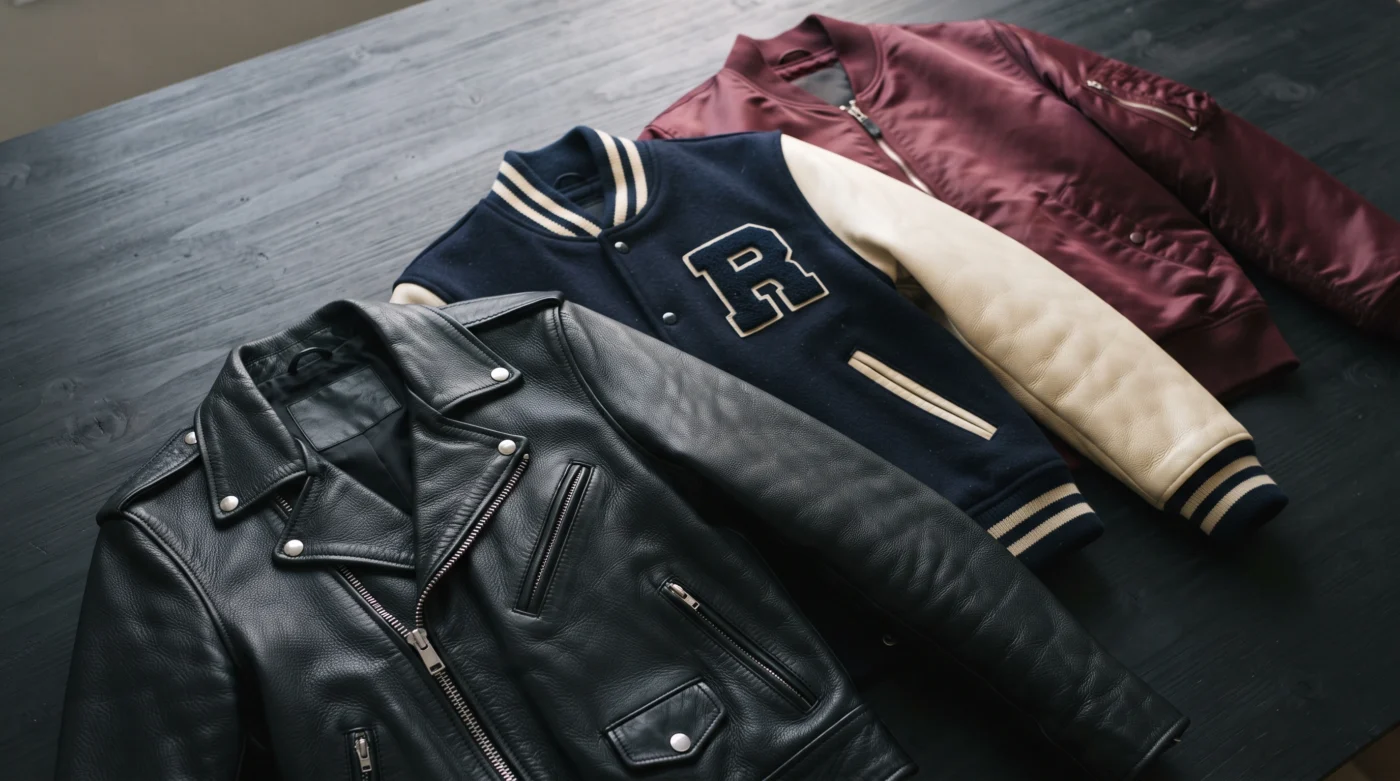
Every jacket tells you two things before you even try it on: what it is made of, and what color it comes in. Those two choices decide how it fits into your wardrobe, how long it lasts, and how much attention it pulls in a room. This jacket materials and colors guide breaks down every major fabric type, from genuine leather to satin and wool, along with the color choices that separate a good jacket from a wardrobe icon. Whether you are building a leather jacket collection or hunting for the right shade to match a character-inspired look, understanding materials and colors is the first step to buying smarter.
Quick answer: The most common jacket materials are leather (cowhide, lambskin, goatskin, and suede), wool (specifically Melton wool for varsity jackets), satin, nylon, cotton, and vegan leather. Leather offers the most durability and character, wool brings classic warmth, and satin or nylon deliver a lightweight, statement-making finish. For color, neutral shades like black, brown, and cognac stay versatile year round, while bold picks like red, olive, and burgundy make a jacket the centerpiece of an outfit.
What Jacket Material Really Determines
Before comparing individual fabrics, it helps to know what material actually controls. Four factors shift with every material choice: warmth, weight, durability, and drape. A heavier fabric like cowhide leather or Melton wool insulates well but adds bulk, while lighter options like satin or nylon move easily but trade off some warmth.
Material also decides how a jacket ages. Leather develops a patina and gets better with wear. Wool holds its shape season after season. Synthetic fabrics like satin and nylon stay lightweight and colorfast but generally have a shorter lifespan than natural fibers.
Once you know what you want from a jacket, whether it is rugged durability, cozy warmth, or a glossy statement finish, the material choice becomes much easier.
Jacket Material Comparison at a Glance
- Leather (cowhide, lambskin, goatskin): Durability is high, warmth is moderate to high, weight is heavy, best for everyday statement jackets and biker or bomber styles, care level is moderate with occasional conditioning.
- Wool (Melton wool): Durability is high, warmth is very high, weight is heavy, best for varsity and letterman jackets in cold climates, care level is moderate with dry cleaning recommended.
- Satin: Durability is moderate, warmth is low, weight is light, best for streetwear bombers and character-inspired looks, care level is low with spot cleaning.
- Nylon and polyester: Durability is moderate to high, warmth is low to moderate, weight is light, best for technical bombers and windbreakers, care level is low and machine washable in most cases.
- Cotton and denim: Durability is moderate, warmth is low, weight is light to medium, best for casual everyday wear and patch-friendly fan gear, care level is low.
- Vegan leather (PU): Durability is moderate, warmth is moderate, weight is light to medium, best for budget-friendly statement pieces and cruelty-free shoppers, care level is very low.
Leather Jacket Materials Explained
Leather remains the gold standard for jackets that need to look sharp and last for years. Not all leather is the same, though, and the type used changes everything from softness to price.
Full-Grain and Top-Grain Leather
Full-grain leather uses the entire hide, including its natural grain and texture, which makes it the most durable and long-lasting option available. Top-grain leather sands away minor imperfections for a smoother, more uniform finish that costs less while still holding up for years of regular wear. The tanning process matters too. Vegetable-tanned leather ages into a warmer patina over time, while chrome-tanned leather stays more consistent in color and is generally more water resistant from day one.
Cowhide, Lambskin, and Goatskin
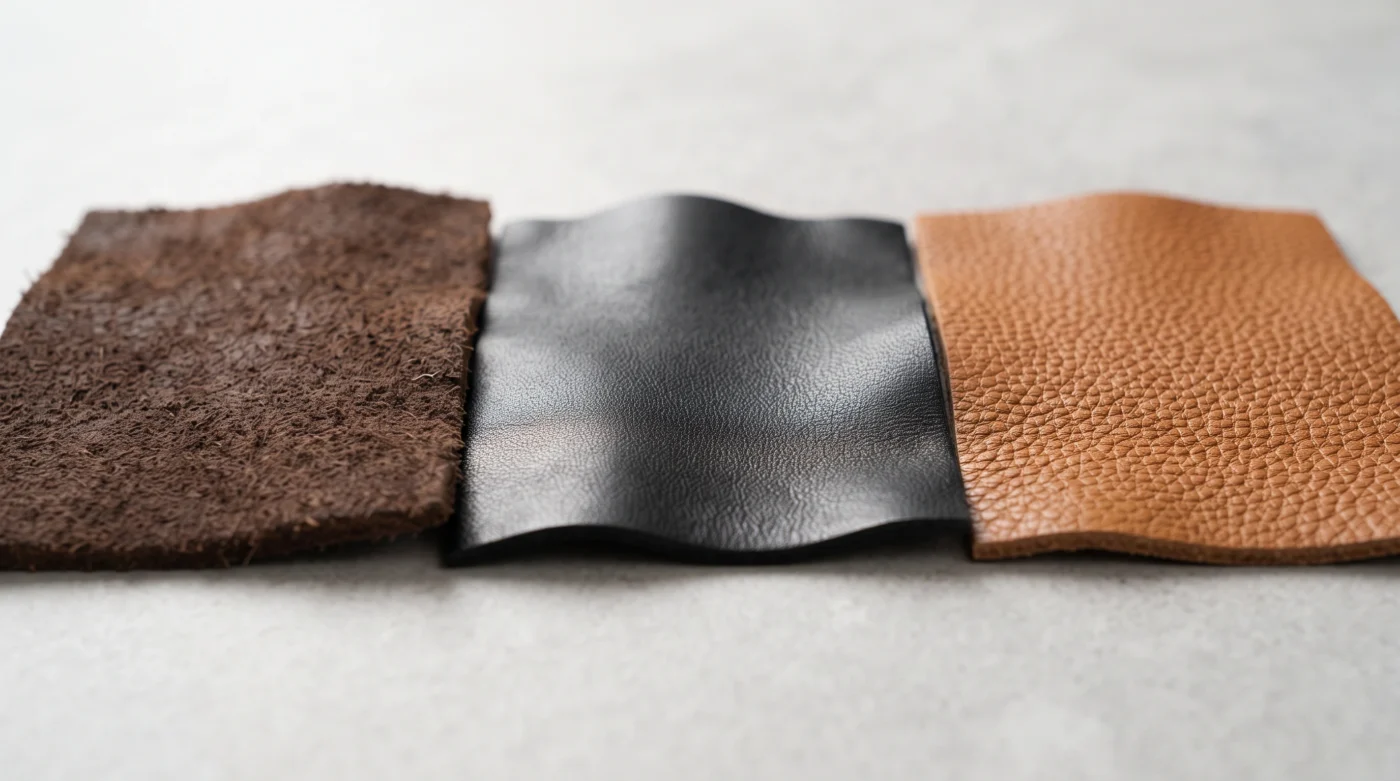
Cowhide is thick, dense, and built for abrasion resistance, which is why it shows up so often in motorcycle-style and bomber jackets. Lambskin sits on the opposite end of the spectrum: soft, lightweight, and close to the body, making it a favorite for fashion-forward leather jackets. Goatskin lands in between, offering a pebbled texture with a strong balance of flexibility and toughness.
Suede and Vegan Leather
Suede comes from the underside of the hide and has a soft, napped texture that reads more casual and less structured than smooth leather. Vegan leather, also called faux leather or PU leather, mimics the look of real leather using polyurethane coatings. It costs less, comes in a wider range of colors and finishes, and offers a cruelty-free alternative without sacrificing much on style.
Pro tip: Real leather has natural grain, minor texture variation, and a distinct smell. Vegan leather feels more uniform and often has a slight plastic sheen up close. Neither is right or wrong, it comes down to budget, care preferences, and personal values.
Wool and Varsity Jacket Materials
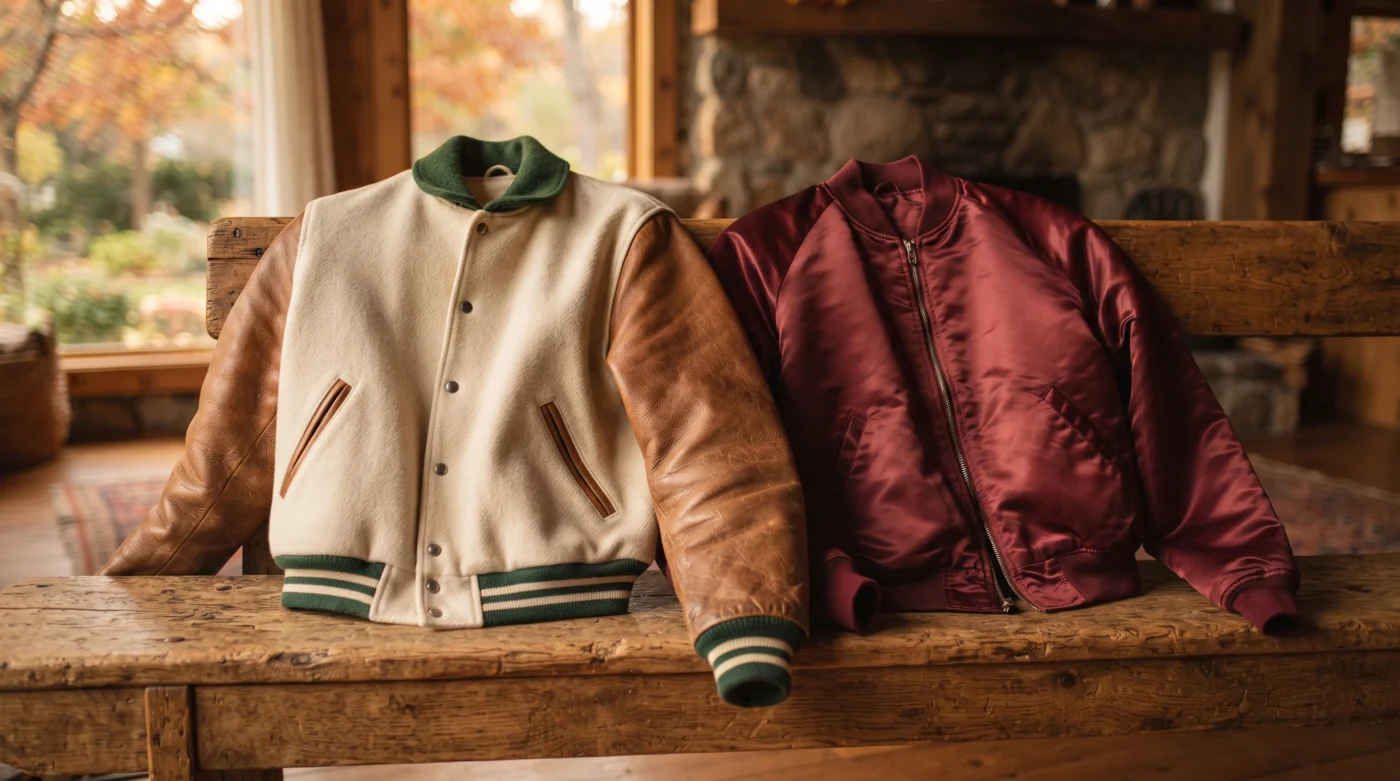
Varsity jackets, also known as letterman jackets, have one of the most recognizable material combinations in American fashion: a wool body paired with leather sleeves. That pairing dates back to the earliest collegiate jackets and still defines the silhouette today.
Melton Wool
Melton wool is the body fabric on almost every classic varsity jacket. It is a tightly woven, felted wool that resists wind, holds dye well for bold team colors, and keeps its structure wear after wear. The dense weave is what gives varsity jackets their slightly stiff, boxy silhouette.
Leather Sleeves and Alternatives
Traditional varsity jackets pair Melton wool bodies with cowhide or vegan leather sleeves in a contrasting color. This combination adds durability exactly where a jacket takes the most wear, at the elbows and forearms, while the wool body keeps the core warm.
Cotton, Satin, and Synthetic Varsity Styles
Not every varsity jacket sticks to wool and leather. Cotton fleece versions offer a lighter, more breathable alternative for warmer climates, while satin and polyester varsity jackets trade warmth for a glossy, streetwear-friendly finish that is easy to maintain.
Satin, Nylon, and Other Pop Culture Jacket Fabrics
Satin and nylon jackets owe their popularity to pop culture as much as function. The bomber jacket, originally built from nylon for wartime pilots, became a fashion staple once Hollywood adopted it. Michael Jaafar Jackson Beat It Jacket and Ryan Gosling’s satin bomber jacket in Drive are two of the most referenced looks in bomber jacket history, and both still shape how fans shop for statement outerwear today.
Satin
Satin gets its shine from a tight weave rather than a coating, which gives it a glossy, almost liquid look under light. It is a lightweight fabric best suited to mild weather or layering, and it is the material behind most of the glossy varsity and bomber jackets seen in streetwear and on screen.
Nylon and Polyester
Nylon is tear-resistant, water-resistant, and lightweight, which is why it is still the standard for technical bombers and windbreakers. Polyester offers similar water resistance at a lower price point, though it is slightly less durable over years of heavy use.
Cotton, Denim, and Fleece
Cotton and denim jackets bring a casual, everyday feel and take embroidery and patches well, making them popular for personalized fan gear. Fleece adds warmth without much added weight, making it a common choice for jacket linings and casual layering pieces.
How Material Affects Jacket Price
Material is usually the single biggest factor in what a jacket costs. Full-grain leather and heavyweight Melton wool sit at the top of the price range because of how the hide or fabric is sourced, tanned, or woven, plus the labor needed to construct a durable, well-lined jacket. Top-grain leather and wool blends bring the price down while still offering strong durability.
Satin, nylon, polyester, and vegan leather sit at the more accessible end. They are faster to produce, easier to dye in a wide range of colors, and require less specialized construction, which makes them a smart entry point for anyone building a first jacket collection or experimenting with a bold color before committing to leather.
How to Choose the Right Jacket Color
Material decides how a jacket performs. Color decides how it reads. The right shade can make a jacket blend into your everyday rotation or turn it into the centerpiece of an outfit.
Classic Neutral Colors
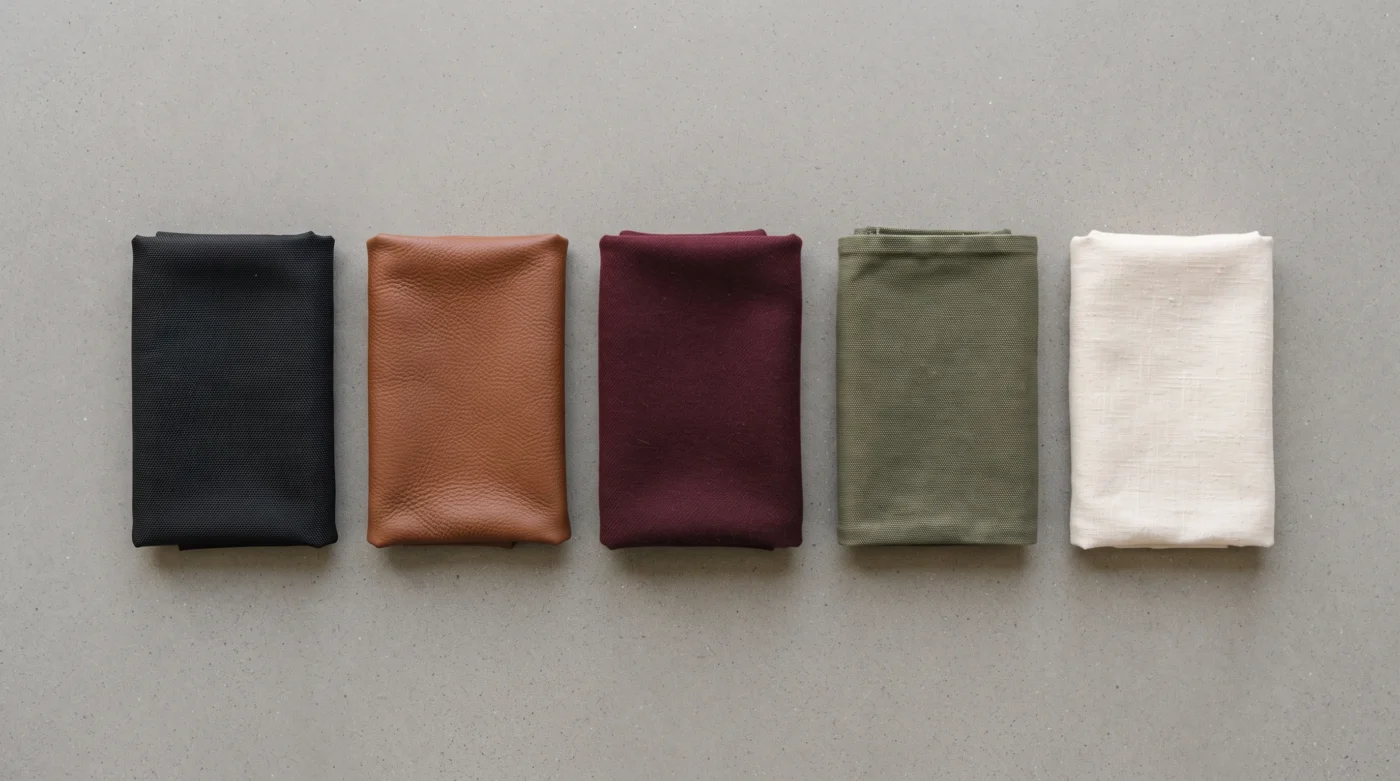
Black remains the most versatile jacket color for a reason: it pairs with nearly everything, hides wear well, and never feels dated. Brown and cognac follow close behind, offering a warmer, more relaxed alternative that works especially well in leather. Tan and cream round out the neutral lineup for buyers who want something lighter without going bold.
Bold Statement Colors
Red, olive green, and burgundy have all moved from niche to mainstream in recent seasons, driven largely by streetwear and fandom culture. Olive green pairs naturally with military-inspired and character-driven looks, while red carries an instantly recognizable, high-energy presence that suits bold statement jackets and standout fan pieces.
Matching Color to Skin Tone and Season
Warmer skin tones tend to lean well into brown, olive, and rust shades, while cooler skin tones often pair better with black, navy, and grey. Season matters too: deep, saturated colors like burgundy and forest green feel right for fall and winter, while cream, tan, and pastel shades suit spring and summer rotations.
Pro tip: If you only own one jacket, choose a neutral. If you are adding a second or third piece to your collection, that is the moment to experiment with a bold color that reflects your personality or a favorite character’s palette.
Matching Material and Color to Your Fandom Style
Part of what makes character-inspired fashion so much fun is using material and color to nod to a specific look without losing everyday wearability. A satin bomber in a bold primary color channels a comic book palette. A wool-and-leather varsity jacket in deep school colors taps into classic Americana. A sleek black leather jacket brings antihero energy to almost any outfit.
This is where America Jackets‘ fan-inspired collection comes in. Every jacket style, whether it is pulled from a blockbuster movie, a TV series, or a superhero universe, is built using the same materials covered in this guide, so you can choose your favorite look and know exactly what you are getting in terms of durability, warmth, and finish.
Caring for Your Jacket by Material
Leather jackets need occasional conditioning to stay supple, along with air drying, never direct heat, if they get wet. Wool jackets benefit from a soft brush to remove lint and should be dry cleaned rather than machine washed. Satin, nylon, and polyester jackets are the easiest to maintain and often just need a gentle wipe down or spot clean.
Whatever material you choose, storing jackets on a proper hanger, out of direct sunlight, keeps colors from fading and structure from breaking down over time.
Ready to Find Your Jacket?
Now that you know the difference between cowhide and lambskin, Melton wool and satin, black and cognac, you are ready to shop with confidence. Explore the full men’s jackets and women’s jackets and find the material, color, and style that matches your fandom.
Related Style Guides
For a real example of wool and leather working together in a quiet luxury color palette, see our breakdown at beef season 2 outfits. If you want to see how a single statement jacket color can define an entire winter trend, check out ryan reynolds spirited jacket winter 2025 trend.
Frequently Asked Questions
Full-grain leather, especially cowhide, is widely considered the most durable jacket material. It resists abrasion, holds up to years of regular wear, and develops a patina rather than breaking down.
Genuine leather typically lasts longer and develops character over time, while vegan leather is more affordable, comes in more color options, and does not use animal hide. Neither is objectively better, it depends on your budget and priorities.
Traditional varsity jackets use a Melton wool body with leather sleeves. Modern versions also come in cotton, satin, or polyester for a lighter, more casual alternative.
Lambskin is thinner, softer, and lighter, making it ideal for a close, fashion-forward fit. Cowhide is thicker and more rugged, offering more structure and long-term durability.
Black is the most versatile jacket color because it pairs with almost any outfit and works across every season. Brown and cognac are close runners up for a warmer alternative.
Satin jackets are lightweight and better suited to mild weather or layering rather than deep winter cold. For maximum warmth, wool or leather is the better choice.
Genuine leather has natural grain variation, a distinct earthy smell, and slightly softens with wear. Vegan leather tends to feel more uniform and can have a subtle plastic sheen.
Yes. AmericaJackets' customize your own option lets you choose your preferred material, color, and detailing to build a jacket suited to your exact style.
Cotton, denim, and lightweight satin are the most breathable options for warm weather, offering style without the added bulk of wool or heavy leather.


Related Posts
4th of July Outfits, Jackets and Independence Day Style Guide
Continue ReadingWhat Is Faux Leather? Everything You Need to Know Before Buying
Continue ReadingHouse of the Dragon Season 3: Complete Guide (2026)
Continue Reading