
Guides
What Is Faux Leather? Everything You Need to Know Before Buying
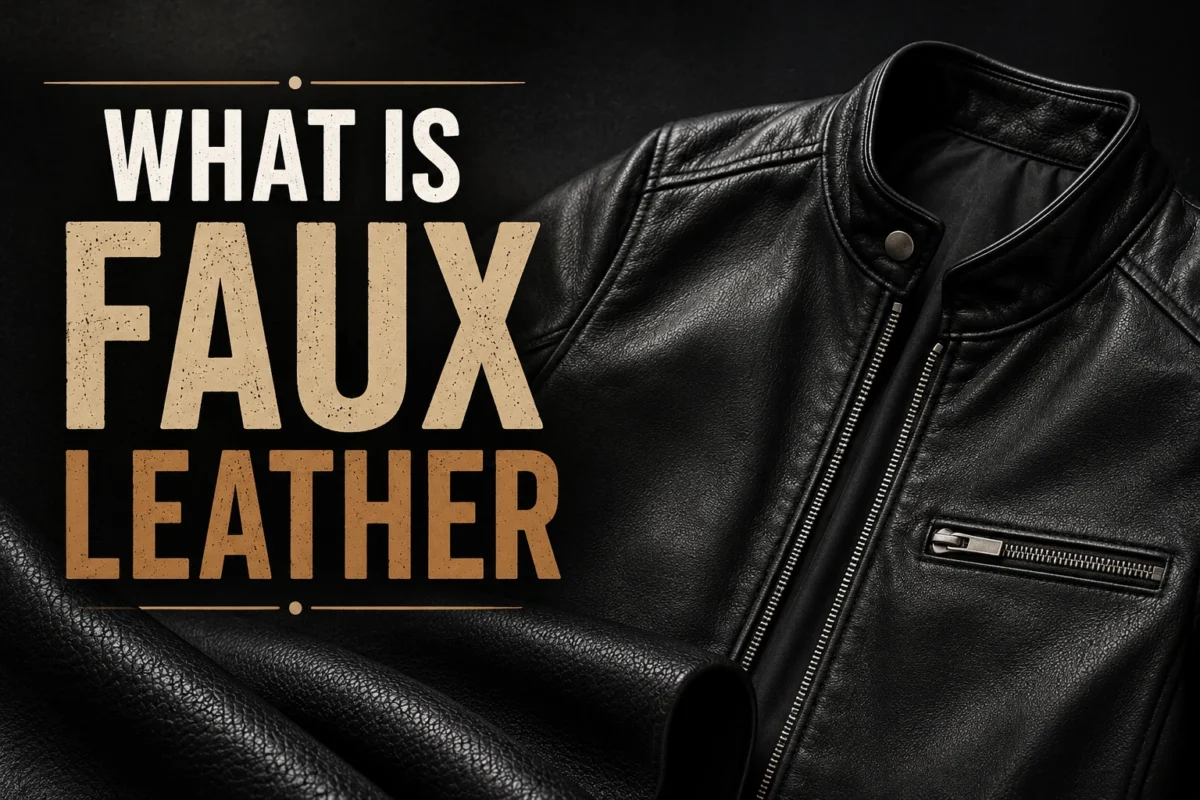
The global fashion and outerwear sectors have experienced a monumental shift toward alternative textile engineering. Among the various synthetic alternatives available on the market, faux leather has emerged as a premier choice for high-volume manufacturing. Once categorized merely as an inexpensive substitute for natural animal hides, modern synthetic leather has evolved into a highly sophisticated material utilized extensively for premium garments, including celebrity-inspired outerwear and contemporary casual jackets.
For consumers analyzing premium apparel options on curated digital storefronts such as America Jackets, a precise understanding of material categories is essential before finalizing a purchase. Making an informed choice requires a rigorous evaluation of what faux leather is made of, its long-term durability metrics, and how it structurally differs from alternative designations like vegan leather and genuine animal hide.
Technical Definition: What Is Faux Leather Made Of?
Faux leather variously termed synthetic leather, imitation leather, or artificial hide is an engineered composite material designed to replicate the aesthetic presentation, tactile grain, and tensile flexibility of natural skins. Unlike real leather, which is comprised of a biological matrix of interwoven collagen fibers, faux leather is fabricated through a precise sequence of chemical and industrial processes.
The physical anatomy of this synthetic material consists of two primary functional components bonded together under high temperatures:
1. The Synthetic Polymer Surface
The exterior layer that replicates the grain side of an animal hide is composed of a synthetic polymer resin. In the garment and apparel industry, two primary polymer compounds are deployed:
- Polyurethane (PU): A highly flexible, lightweight, and modern polymer formed through the chemical reaction of polyols and isocyanates. It is celebrated for its ability to mimic the soft, buttery hand-feel of premium lambskin.
- Polyvinyl Chloride (PVC): An older, highly rigid plastic resin synthesized from chlorine and ethylene. PVC is dense, exceptionally scratch-resistant, and entirely waterproof, though it lacks the soft flexibility required for premium comfort jackets.
2. The Fabric Backing Base
The structural foundation that dictates the tear resistance, elongation capacity, and overall draping quality of faux leather is its underlying substrate. Liquid polymer resins are extruded or layered over a continuous sheet of woven or non-woven textile fibers. This base layer is typically constructed from high-tensile polyester mesh, durable nylon fibers, or blended woven cotton to give the synthetic skin its structural stability.
Is Faux Leather Real Leather? Clarifying the Matrix
To prevent consumer confusion in retail environments, an explicit boundary must be drawn regarding material authenticity: Faux leather is completely devoid of real animal hide. It is a 100% synthetic or plant-derived composition that shares no biological relationship with the livestock skins utilized to manufacture traditional full-grain or top-grain garments.
While genuine animal leather relies on a complex, multi-week tanning process using chromium salts or natural vegetable tannins to stabilize raw biological tissues, faux leather requires no tanning. It is fabricated inside chemical extrusion facilities where polymer chains are stabilized, dyed, and embossed purely through automated thermal and mechanical processes.
Faux Leather vs. Vegan Leather: Are They the Same?
The terms “faux leather” and “vegan leather” are frequently utilized interchangeably within marketing copy, yet a distinct commercial and structural variance exists between the two designations.
The Overlapping Concepts
At a fundamental level, both materials share the identical attribute of being completely cruelty-free, meaning no animal hides or byproducts are consumed during their manufacturing lifecycle. A standard garment composed of 100% synthetic polyurethane (PU) backed by polyester mesh can be legitimately marketed as both faux leather and vegan leather.
The Diverging Material Chemistry
The difference emerges when analyzing modern bio-technological advancements in textile sourcing:
- Faux Leather Limits: The designation “faux leather” almost exclusively refers to traditional petrochemical-based synthetics (PU and PVC plastics).
- Vegan Leather Innovations: The term “vegan leather” has expanded to encompass advanced organic, plant-derived, and biodegradable polymers. These innovative materials utilize agricultural byproducts rather than crude oil derivatives to establish a sustainable surface layer.
Prominent Types of Modern Plant-Derived Vegan Materials
To understand the full spectrum of cruelty-free options, the major non-petrochemical innovations within the vegan leather category must be highlighted:
1. Pineapple Leather (Piñatex)
This sustainable textile is manufactured from the cellulose fibers extracted directly from the leaves of the pineapple plant during agricultural harvests. These fibers are felted together mechanically to form a breathable, highly textured substrate that is subsequently finished with a micro-thin protective biopolymer coating.
2. Mushroom Leather (Mycelium)
Grown inside highly regulated laboratory environments, mushroom leather utilizes the root-like thread structures of fungi known as mycelium. The mycelium network is cultivated on beds of agricultural waste, where it replicates the dense, interwoven texture of natural animal collagen. The resulting material is fully biodegradable, lightweight, and offers a natural, earthy texture.
3. Cactus and Apple Leather
Cactus leather is produced by harvesting mature leaves from the Nopal cactus, drying them completely, and processing them into a bio-polyurethane blend. Apple leather relies on the industrial skin and core waste generated by the commercial apple juicing sector. This organic pulp is pulverized and blended with synthetic polymers to reduce plastic consumption while maintaining high tensile strength.
Material Durability: Is Vegan and Faux Leather Durable?
Evaluating the long-term performance profile of synthetic outerwear requires an objective analysis of material wear mechanics under conditions of daily deployment.
Structural Lifespan and Failure Paths
The average functional lifespan of high-grade faux leather or polyurethane garments ranges between 2 to 5 years. Unlike real leather, which features self-adjusting biological fibers that gain strength as they flex, synthetic plastics are subject to systematic material fatigue.
The primary failure mechanism of faux leather is a chemical process known as hydrolysis:
Over extended exposure to atmospheric moisture, room humidity, and natural human sebum (body oils), the water molecules gradually cleave the chemical links within the polyurethane or PVC surface layer. This leads to hardening, micro-fractures along active stress zones (such as the elbows, cuffs, and necklines), and eventual flaking, where the outer plastic layer separates completely from the textile backing grid. Once hydrolysis initiates, the structural damage is irreversible.
Resistance to Scuffs and Everyday Abrasions
PVC-based faux leathers offer exceptional resistance to superficial scratches and stains due to their hardened plastic composition. PU-based variations are softer and more susceptible to sharp punctures. However, a primary operational benefit of all synthetic leathers is their absolute resistance to liquid staining and chemical discoloration, allowing them to perform exceptionally well in wet urban environments.
Comprehensive Real Leather vs. Faux Leather Comparison
To provide clear differentiation for e-commerce consumers, the fundamental differences between real leather, traditional faux leather, and plant-based vegan leather are organized below within a comprehensive comparative matrix:
| Functional Parameter | Real Animal Leather | Traditional Faux Leather | Bio-Based Vegan Leather |
| Primary Raw Sourcing | Organic Cattle / Sheep Hide | Polyurethane (PU) / PVC Resins | Pineapple / Mushroom / Cactus Fibers |
| Pore Architecture | Open biological pore networks | Sealed, non-porous polymer wall | Semi-porous micro-cellular matrix |
| Thermal Breathability | High (Regulates body heat) | Ultra-low (Traps moisture) | Moderate (Breathable organic fibers) |
| Aging Character | Softens; develops rich patina | Becomes brittle; cracks and flakes | Static appearance; slow breakdown |
| Fluid Absorbency | Hydrophilic; requires sealing | 100% Hydrophobic; waterproof | Semi-hydrophobic; water-resistant |
| Average Lifespan | 15 to 50+ Years | 2 to 5 Years | 3 to 7 Years |
| Flammability Profile | Singes slowly; self-extinguishes | Melts rapidly; emits plastic fumes | Burns cleanly; char formation |
Strategic Cleansing and Maintenance Routines
Because faux leather is a synthetic polymer composition rather than a porous animal tissue, traditional leather care routines must be strictly avoided to prevent premature material destruction.
The Prohibition of Natural Oils and Conditioners
Saddle soaps, mink oils, and specialized leather conditioners containing animal fats or wax compounds should never be applied to faux or vegan garments. Because the polymer topcoat features no biological pores, these dense substances cannot penetrate the material. Instead, they will pool on the smooth surface, creating a dull, greasy residue that chemically dissolves the protective lacquer finish and accelerates the onset of hydrolysis.
Approved Cleaning Sequence
To maintain the visual clarity of faux leather jackets, a simplified maintenance protocol must be implemented:
- Mix a solution of lukewarm water and a single drop of pH-neutral liquid dish soap.
- Dip a soft microfiber cloth into the liquid, wringing it out thoroughly until it is slightly damp.
- Wipe the surface systematically to remove superficial dust, salt rings from rain exposure, or grease.
- Wipe the surface a second time with a separate cloth dampened purely with clean water to remove soap residue.
- Dry the garment completely with a lint-free towel and suspend it on a wide, contoured hanger inside a well-ventilated closet away from direct sunlight.
Conclusion
Faux leather has become one of the most popular material choices for modern jackets because it gives the look of real leather while staying animal-free, lightweight, and easy to maintain. It is made from synthetic layers like PU or PVC over a fabric backing, which gives it shape, structure, and a smooth leather-like finish.
While faux leather is not the same as real leather, it can still be a smart option for people who want stylish outerwear at an accessible price. It is water-resistant, easy to clean, and works well for fashion jackets, celebrity-inspired outfits, and everyday casual wear. However, it also has limits. Faux leather does not age like real leather, and over time it may crack, peel, or flake if it is exposed to heat, moisture, or poor storage conditions.
The best way to make faux leather last longer is to care for it properly. Avoid harsh cleaners, leather oils, direct sunlight, and damp storage. A simple wipe with a soft cloth and mild soap is usually enough to keep it looking fresh. If you want a jacket that offers style, comfort, and cruelty-free appeal, faux leather can be a strong choice when you understand how it is made and how to maintain it.
Frequently Asked Questions
Faux leather is usually made from a synthetic polymer surface, such as PU or PVC, bonded to a fabric backing. The backing is often polyester, nylon, or cotton, which gives the material strength and flexibility.
No, faux leather is not real leather. It does not come from animal hide. It is a man-made material designed to look and feel similar to real leather.
Faux leather and vegan leather are often similar, but they are not always exactly the same. Faux leather usually means PU or PVC synthetic leather, while vegan leather can also include plant-based materials like cactus, pineapple, apple, or mushroom leather.
Good-quality faux leather can be durable for regular use, especially in fashion jackets and casual outerwear. On average, it can last around 2 to 5 years with proper care.
Yes, faux leather can peel over time if the surface layer breaks down. Heat, humidity, body oils, poor storage, and harsh cleaners can speed up cracking, flaking, and peeling.
Most faux leather is highly water-resistant because it has a sealed synthetic surface. However, it should not be soaked for long periods because moisture can still affect seams, backing fabric, and the surface coating over time.
Clean a faux leather jacket with a soft microfiber cloth, lukewarm water, and a small amount of mild soap. Wipe gently, remove soap residue with a clean damp cloth, and dry it with a lint-free towel.
No, leather conditioners, mink oil, saddle soap, or wax-based products should not be used on faux leather. These products are made for real leather and can leave greasy residue or damage the synthetic coating.
It depends on what you need. Real leather lasts longer and develops a natural patina, while faux leather is animal-free, easier to clean, more affordable, and better for people who want a leather-like look without using animal hide.
Keep it away from direct sunlight, high heat, and damp places. Hang it on a wide hanger, clean it gently, avoid harsh chemicals, and store it in a cool, dry, well-ventilated space.


Related Posts
Jacket Materials and Colors Guide: Everything You Need to Know
Continue Reading4th of July Outfits, Jackets and Independence Day Style Guide
Continue ReadingHouse of the Dragon Season 3: Complete Guide (2026)
Continue Reading