
Guides
What Is Nappa Leather? Processing, Care, and Characteristics
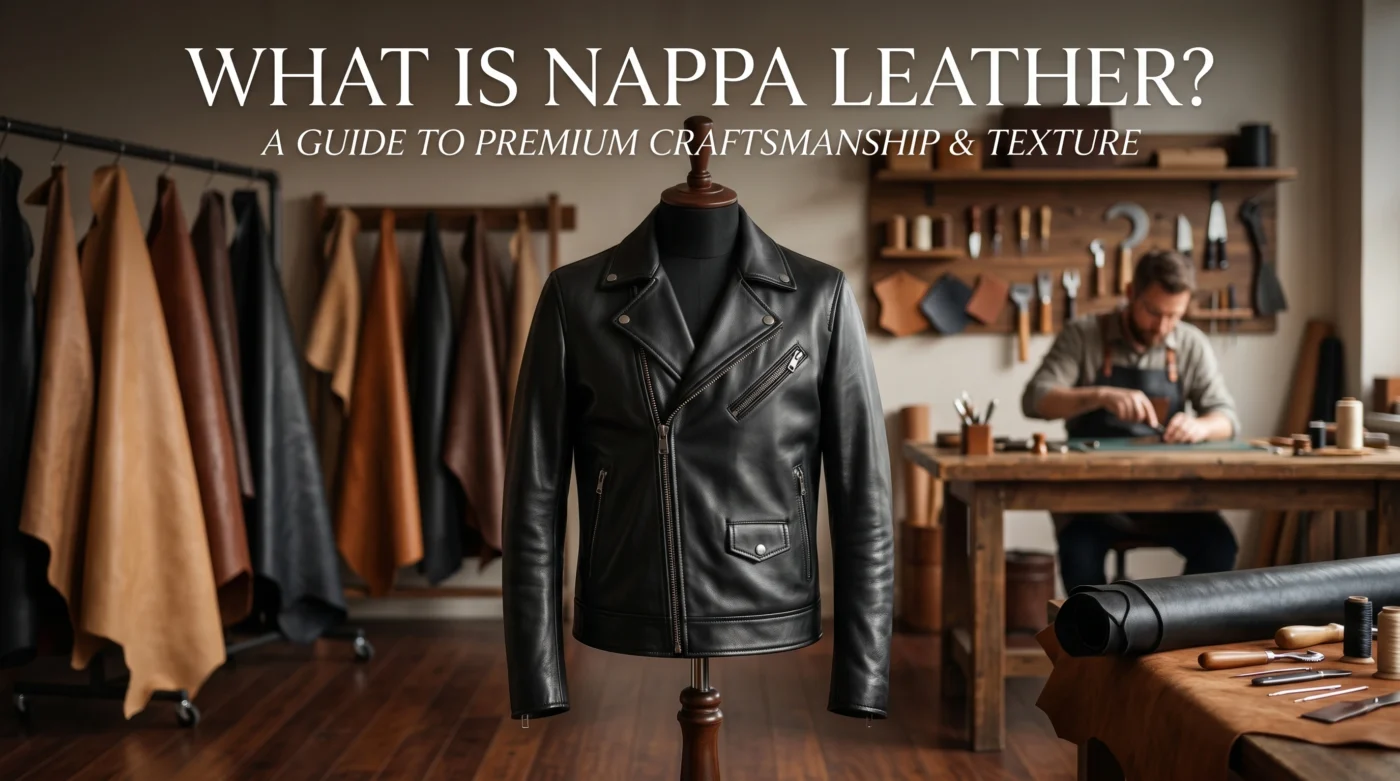
Within the premium apparel and luxury automotive sectors, specific material designations are utilized to denote exceptional textile refinement. Among these high-end variants, Nappa leather (frequently spelled as Napa leather) is widely recognized as a benchmark for suppleness, tactile comfort, and minimalist visual elegance. While standard cattle hides are prized for their structural density and rigid protection, Nappa leather represents a specialized category where advanced tanning adjustments are made to maximize the natural softness of the skin.
For consumers reviewing luxury outerwear portfolios on digital platforms like America Jackets, understanding the exact grading distinctions, processing operations, and long-term durability metrics of Nappa leather is essential. This technical overview provides an objective, parameter-driven breakdown of what Nappa leather is, how it is industrially manufactured, and how its physical performance compares to traditional full-grain hides.
The Historical and Material Definition of Nappa Leather
The term “Nappa” does not refer to a specific anatomical section of an animal, nor is it restricted to a single species of livestock. Instead, it is a specialized quality classification and manufacturing designation.
The Origin of the Term
The nomenclature originated in 1875 in Napa, California, where a German immigrant chemist named Emanuel Manasse developed a proprietary tanning methodology while employed at the Napa Tan Yard. The resulting material was exceptionally soft, flexible, and completely distinct from the stiff, heavy utilitarian leathers produced during the late 19th century.
Modern Structural Classifications
In contemporary industrial manufacturing, Nappa leather is defined as a full-grain or top-grain leather derived from unsplit skins of lambs, sheep, calves, or young goats.
- Unsplit Full-Grain Density: The topmost surface the biological papillary layer is left completely intact. This ensures that the natural pore layouts and unique skin textures are preserved.
- The Pliability Factor: Because the raw skins are harvested from younger animals or subjected to highly specialized chemical softening processes, the interwoven collagen network remains fluid, providing a characteristic buttery hand-feel that cannot be replicated by standard cowhides.
The Specialized Tanning Process: How Softness Is Achieved
The conversion of raw animal pelts into high-grade, supple Nappa sheets requires specific structural alterations within the dermal matrix during the chemical processing stages.
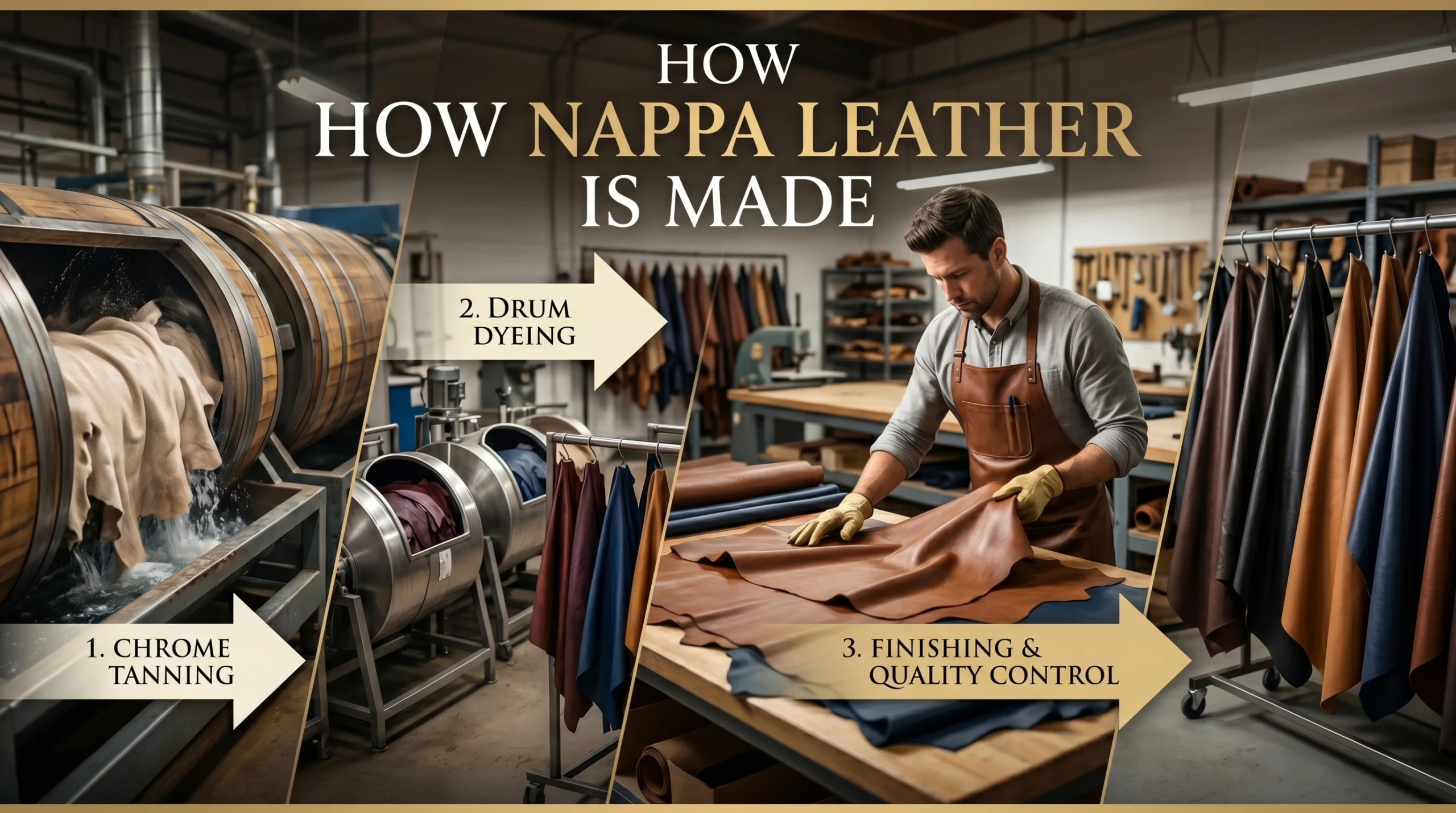
1. Chromium Sulfate Stabilization
Nappa leather is produced utilizing an advanced variant of chrome tanning. The prepared skins are tumbled inside automated industrial drums populated by concentrated chromium sulfate salts. The chromium ions penetrate the hide rapidly, replacing water molecules and bonding tightly with the carboxyl chains of the biological collagen. This mineral stabilization ensures that the leather remains permanently flexible and immune to bacterial putrefaction.
2. Deep Drum Dyeing (Through-and-Through Dyeing)
Unlike budget leathers where color pigments are merely sprayed onto the surface layer, Nappa leather is subjected to extensive drum-dyeing operations:
- The Process: The hides are submerged inside rotating vats filled with water-soluble aniline dyes for multiple hours.
- The Result: The pigment penetrates through the entire vertical cross-section of the skin. If a Nappa leather garment is subjected to a surface scratch or micro-abrasion over years of wear, the underlying fiber displays the exact same color hue as the exterior surface, rendering the wear zone virtually invisible.
3. Minimal Surface Finishing
To protect the ultra-soft texture, only a micro-thin, water-based protective topcoat or light clear lacquer is applied to the surface. Heavy polyurethane coatings or thick acrylic sealants are strictly avoided, ensuring the natural breathability of the material is completely maintained.
Nappa Leather Performance and Durability Profile
Evaluating Nappa leather for premium outerwear deployment requires a rigorous analysis of its mechanical strengths and inherent physical limitations.
1. Superior Breathability and Tactile Comfort
Because the biological pores of the full-grain skin are not sealed by heavy industrial plastics, Nappa leather features an exceptionally high vapor transmission rating. It adapts seamlessly to the body temperature of the individual wearer, allowing ambient heat dissipation while preventing moisture accumulation along the garment’s interior lining.
2. Tensile Flexibility vs. Mechanical Protection
The fine collagen fiber structure of lambskin and calfskin Nappa allows the material to drape gracefully, mimicking the movement profiles of high-end silk or wool textiles. However, because the fibers are less coarse than those found in mature, heavy-duty cowhide, Nappa leather possesses a lower threshold for high-velocity abrasive resistance. It is optimized for premium fashion outerwear, luxury lifestyle garments, and formal wear rather than high-impact motorcycle protection gear.
3. Longevity and Patina Evolution
Nappa leather possesses excellent longevity metrics due to its full-grain foundation. It is completely immune to the flaking and surface peeling cycles that destroy synthetic materials. Because the surface is highly natural and lightly sealed, it absorbs external ambient oils and micro-exposure to sunlight over decades of deployment, allowing the garment to develop a distinctive, darkened, and highly lustrous patina.
Nappa Leather vs. Standard Real Leather: The Technical Variance
To establish an explicit differentiation between Nappa treatments and conventional real leathers, their core operational metrics are presented in the structured matrix below:
| Technical Parameter | Premium Nappa Leather | Standard Finished Cowhide |
| Primary Livestock Source | Lambs, Calves, Kid Goats, or Sheep | Mature Cattle / Steers |
| Surface Modification | Zero (Natural grain completely intact) | Sanded, buffed, or heavily corrected |
| Tactile Sensation | Exceptionally soft, silky, buttery hand-feel | Rigid, firm, highly structured, coarse |
| Dyeing Methodology | Penetrative drum-dyed aniline process | Surface-pigmented coating or polymer print |
| Breathability Rating | High (Open biological pore networks) | Low to Moderate (Sealed by thick finishes) |
| Abrasive Resistance | Moderate (Favored for fashion apparel) | Maximum (Favored for heavy utility/gears) |
| Patina Potential | Substantial (Aesthetic evolution over time) | Negligible (Protected by rigid polymer seals) |
Maintenance and Preservation Protocols for Nappa Leather
Because Nappa leather features a highly porous, minimally finished exterior surface, it requires specialized maintenance procedures to prevent permanent staining or fiber dehydration.
Moisture and Fluid Management
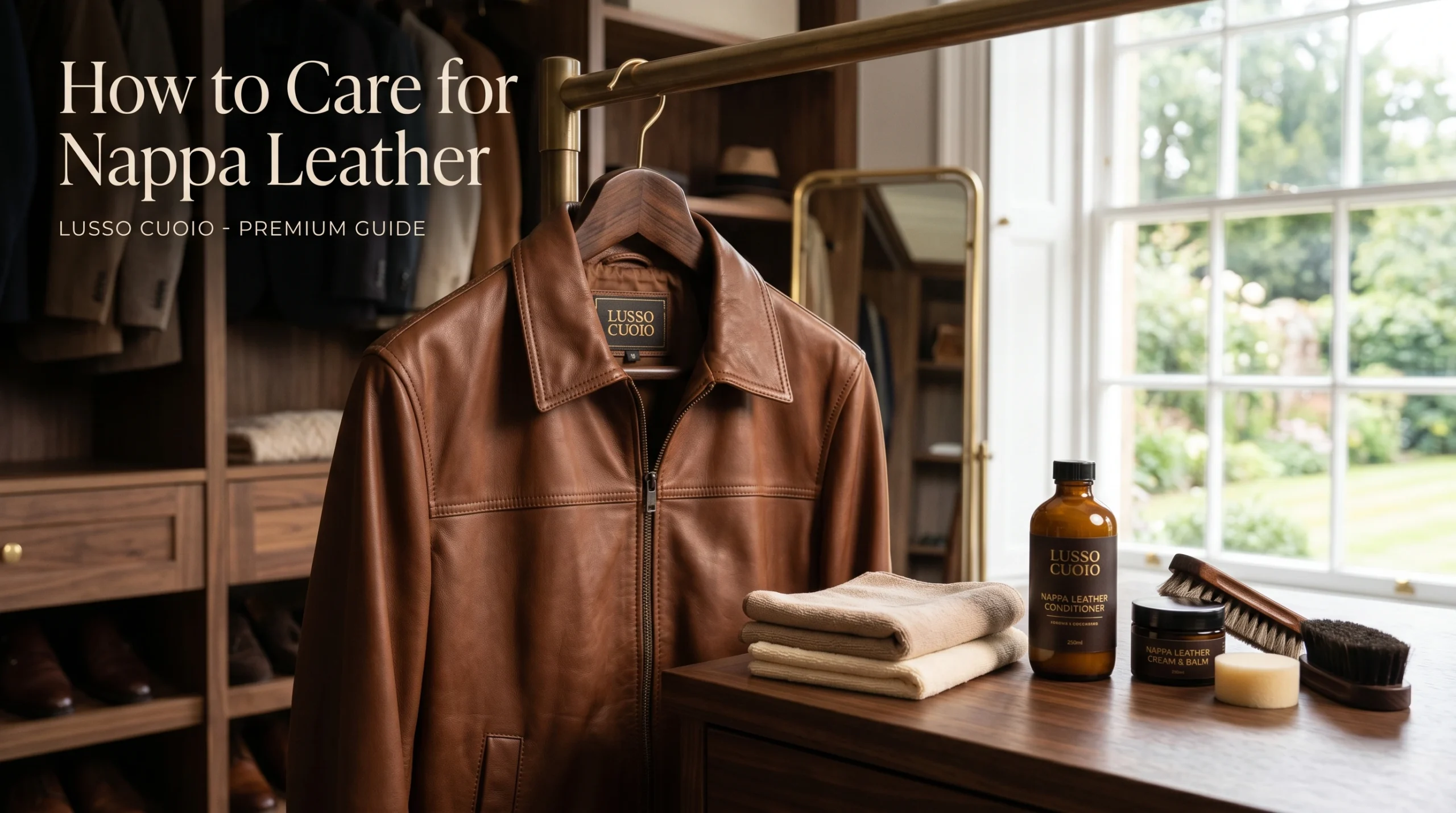
Nappa leather must be shielded from direct exposure to heavy rain. If water contact occurs, the fluid should be blotted immediately with a dry microfiber towel. The application of heat sources such as hair dryers or direct radiator exposure must be strictly avoided, as rapid thermal moisture loss will cause the collagen strands to shrink and calcify, resulting in permanent surface hardening. The garment should be suspended on a wide contoured hanger and allowed to dry naturally at room temperature.
Cleansing and Conditioning Routines
Traditional heavy-duty soaps, saddle soaps, and oil-heavy creams (such as mink oil) should never be applied to Nappa leather. These substances will clog the open biological pores, permanently darken the aniline dyes, and leave a sticky residue that attracts airborne particulate dust.
To preserve the buttery texture, a specialized, water-based, pH-balanced cream conditioner designed specifically for premium full-grain lambskin or aniline leather must be applied softly with a lint-free cloth every six to twelve months.
Conclusion
Nappa leather stands among the finest leather categories used in premium fashion and luxury outerwear because of its exceptional softness, natural appearance, and superior comfort. Unlike heavily processed leather types, Nappa leather preserves the original grain structure while utilizing specialized chrome tanning and deep drum-dyeing techniques to create a supple, breathable, and visually refined material.
Although it may not offer the same heavy-duty abrasion resistance as thick utility-grade cowhide, Nappa leather excels in luxury jackets, coats, handbags, and high-end apparel where comfort, flexibility, and elegance are the primary priorities. With proper maintenance, regular conditioning, and protection from excessive moisture and heat, Nappa leather can maintain its premium appearance for many years while developing a rich patina that enhances its character over time. For consumers seeking a balance between sophistication, comfort, and long-term value, Nappa leather remains one of the most desirable leather choices available today.
Frequently Asked Questions
Nappa leather is typically harvested from the soft, unsplit skins of sheep, lambs, calves, or young goats. The use of younger livestock guarantees a finer, more flexible collagen fiber matrix than mature cowhides.
Yes, Nappa leather possesses excellent long-term durability because it retains its full-grain biological foundation, meaning it will never peel or flake over time. However, due to its soft texture and minimal topcoat, it is more susceptible to micro-scratches than heavily corrected heavy cowhides.
Water stains should be handled immediately by gently blotting the wet zone with a clean, dry microfiber cloth. The material must dry naturally at room temperature, completely away from artificial heat sources, to avoid structural fiber hardening.
Yes. Nappa leather is genuine leather made from natural animal hides and processed using specialized tanning methods that enhance softness and flexibility.
Its exceptional softness comes from high-quality hides, advanced chrome tanning, deep drum dyeing, and minimal surface finishing that preserves the natural collagen fiber structure.
Nappa leather is often considered superior for comfort, softness, and appearance. However, traditional finished cowhide may provide better abrasion resistance for heavy-duty applications.
Absolutely. Nappa leather is one of the most popular materials for premium leather jackets because it provides exceptional comfort, flexibility, breathability, and an elegant appearance.
For buyers seeking luxury quality, superior comfort, and long-term durability, Nappa leather is generally considered worth the investment due to its premium feel and lasting performance.
Yes. Over time, Nappa leather naturally develops a rich patina as it absorbs environmental exposure and natural oils, giving each garment a unique character.


Related Posts
Jacket Materials and Colors Guide: Everything You Need to Know
Continue Reading4th of July Outfits, Jackets and Independence Day Style Guide
Continue ReadingWhat Is Faux Leather? Everything You Need to Know Before Buying
Continue Reading