
Guides
What Is Saffiano Leather? The Luxury Material Explained
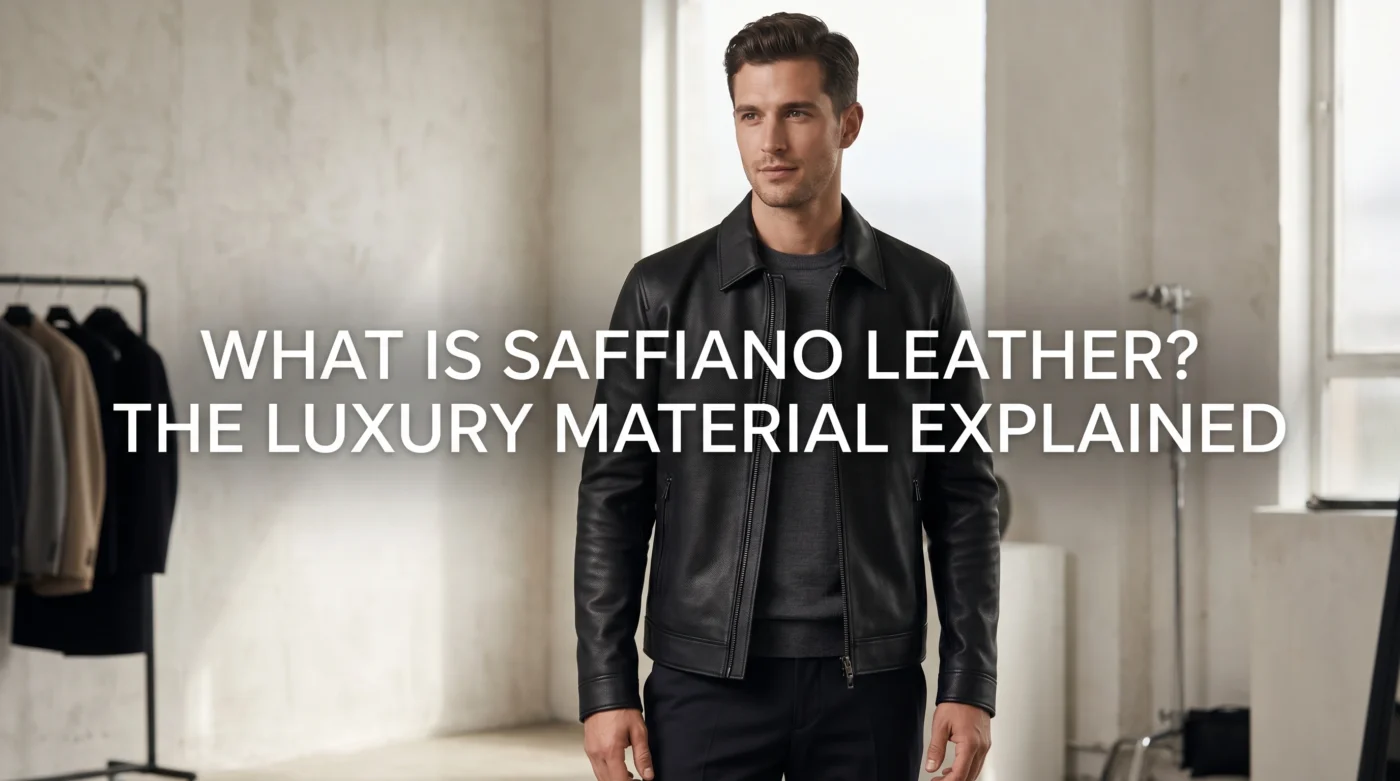
Within the luxury fashion ecosystem, specific materials are chosen not only for their foundational organic quality but for their advanced structural engineering. Among these specialized finishes, Saffiano leather occupies a highly prominent position. Originally patented by one of Italy’s most prestigious design houses, this material is instantly recognized by its highly distinct cross-hatch surface texture and exceptional resistance to environmental degradation.
For discerning individuals browsing premium collections on curated outerwear platforms such as America Jackets, understanding the architectural composition, processing mechanics, and maintenance guidelines of Saffiano leather is essential. This comprehensive analysis evaluates the physical attributes of Saffiano treatments, explaining how the material is fabricated and how it performs under rigorous daily utilization.
The Historical Origin and Material Definition
Saffiano leather is not a designation for a specific animal species or a horizontal horizontal split grade of hide. Instead, it refers explicitly to a patented surface finishing process.
The Italian Heritage
The method was engineered and introduced in 1913 by Mario Prada in Milan, Italy. The unique cross-hatch style was used exclusively on the brand’s foundational travel trunks, handbags, and luxury suitcases to ensure maximum resistance against high-velocity travel abrasions and terminal staining. Once the original patent expired, this highly resilient finishing methodology was adopted globally across premium fashion and apparel sectors.
Structural Composition: What Is Saffiano Leather Made Of?
In contemporary textile manufacturing, Saffiano leather is constructed using a high-grade top-grain or full-grain cattle hide as its structural foundation.
- The Base Layer: High-density cowhide is selected to provide optimal tensile strength and structural rigidity.
- The Wax Topcoat: The defining element of Saffiano leather is a specialized, thick coating of industrial wax (typically polyurethane or a proprietary synthetic wax blend) that is applied systematically to the exterior surface of the tanned skin. The cross-hatch pattern is pressed directly into this wax coating, rather than into the raw hide itself.
The Manufacturing Process: Executing the Cross-Hatch Pattern
The conversion of standard calfskin or cowhide into an authenticated sheet of Saffiano leather requires a precise sequence of thermal and mechanical engineering operations.
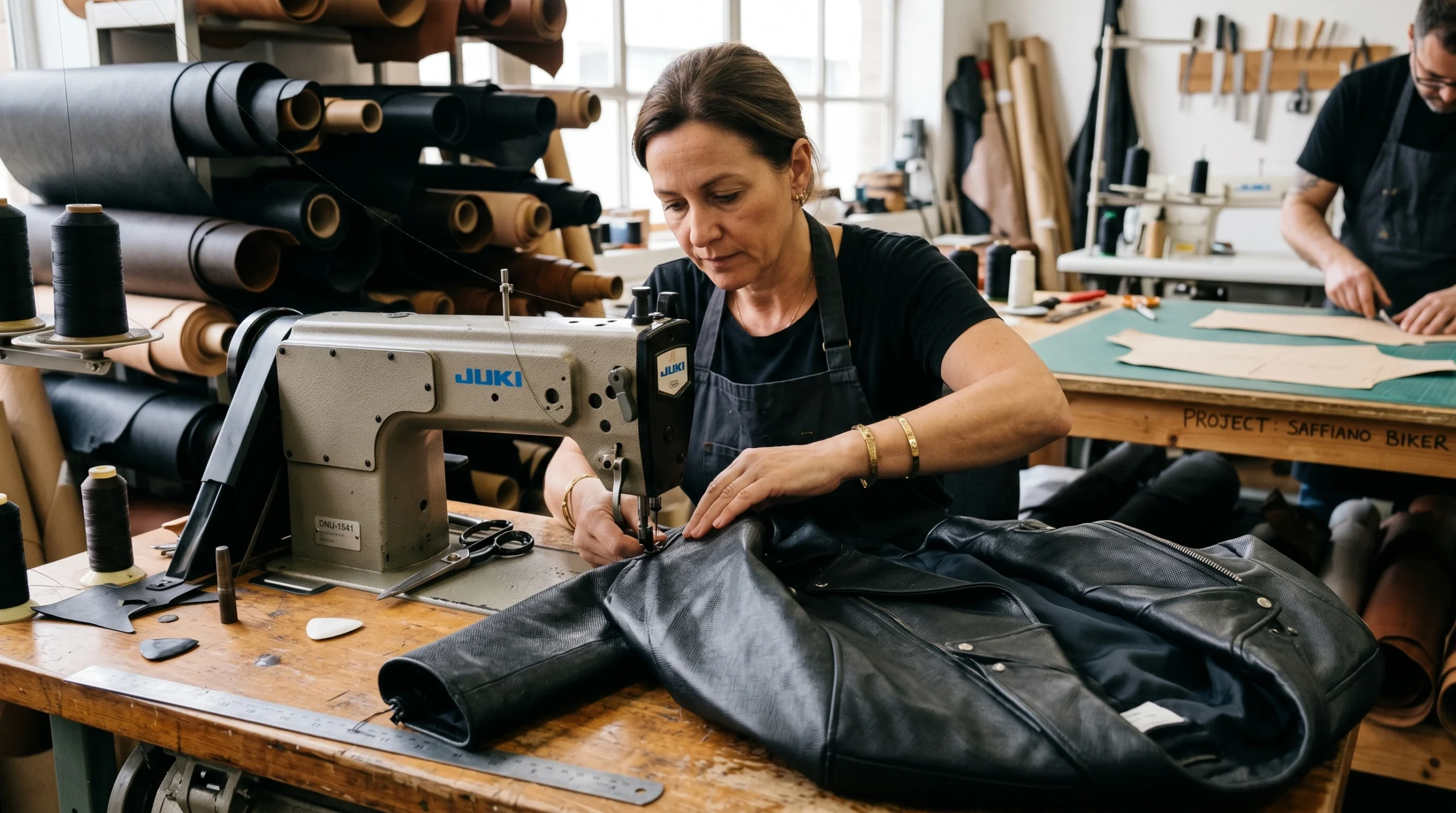
Step 1: Pre-Tanning and Drum Dyeing
The base cattle hides undergo conventional chrome tanning to ensure long-term biological stabilization. The leather sheets are then drum-dyed through a completely penetrative process using soluble pigments. This ensures that the base fibers match the intended final aesthetic tone of the garment or accessory.
Step 2: Wax Application and Thermal Embossing
Once the dyed hide is dried, a molten layer of specialized protective wax is coated evenly across the grain side. The sheet is then routed into a heavy industrial stamping machine.
- The Matrix Machine: The leather is subjected to immense mechanical pressure under heavy steel rollers heated to approximately 70°C to 80°C.
- The Pattern Matrix: The steel rollers are micro-etched with a diagonal grid design. This thermal stamping process presses the iconic cross-hatch pattern (composed of intersecting diagonal lines forming microscopic hatch marks) directly into the wax layer.
Step 3: Clear-Coat Protective Lacquer
After the embossing stage is completed, a micro-thin, clear protective lacquer topcoat is applied. This final chemical layer regulates the surface reflectivity, establishing either a subtle matte finish or a brilliant sheen, while adding a terminal defense layer against scuffs and moisture.
Material Performance: Durability and Mechanical Properties
Analyzing Saffiano leather for premium consumer goods requires an objective evaluation of its functional performance under mechanical stress and environmental exposure.
1. Exceptional Scratch and Abrasion Resistance
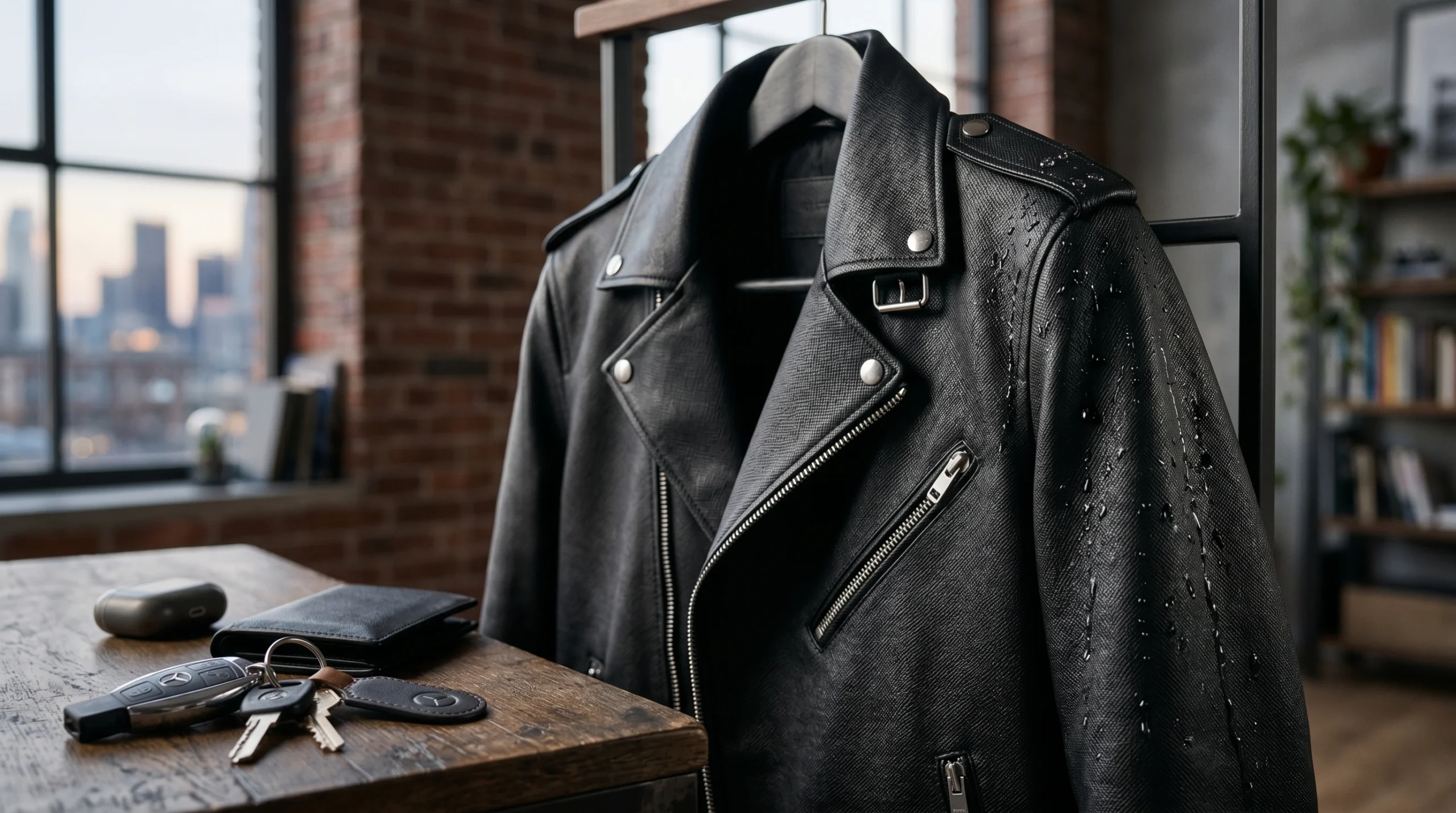
The cross-hatch wax matrix acts as a sacrificial armor layer over the biological skin. Because the wax is hardened and structurally patterned, everyday sharp items such as keys, metallic zippers, and concrete surfaces glide over the hatch marks without fracturing the underlying collagen fibers. This gives Saffiano leather an unrivaled durability score compared to smooth, unprotected aniline leathers like Nappa.
2. Absolute Liquid Hydrophobicity
Because the topmost surface is completely sealed by a continuous, non-porous layer of industrial wax, Saffiano leather is entirely waterproof. Water droplets, environmental humidity, and oils applied to the surface cannot find biological pores to penetrate. Fluids bead up instantly and can be wiped away without leaving dark moisture stains or inducing structural rotting.
3. Rigidity and Form Preservation
The mechanical thermal press process alters the elasticity of the hide. Saffiano leather features high structural rigidity and low elasticity memory. It does not stretch, sag, or conform easily to shifting physical shapes. This makes it an ideal material for structured bags, wallets, and rigid accents on outerwear where sharp, architectural silhouettes must be preserved over decades of use.
Saffiano Leather vs. Alternative Material Treatments
To understand the operational boundaries of Saffiano treatments relative to alternative premium options, a structural comparison matrix is provided below:
| Performance Attribute | Saffiano Embossed Leather | Premium Nappa Leather | Polyurethane (PU) Faux Leather |
| Foundational Base | Premium Real Cattle Hide | Ultra-soft Lamb/Calfskin | Petrochemical Textile Backing |
| Surface Finish | Thermal Stamped Industrial Wax | Micro-thin Aniline Clear Coat | Extruded Polyurethane Sheet |
| Surface Pattern | Rigid, diagonal cross-hatch grid | Natural biological pore layouts | Printed imitation skin texture |
| Scratch Vulnerability | Ultra-low (Highly resistant) | High (Prone to micro-scuffs) | Moderate (Exposes backing mesh) |
| Moisture Resistance | Maximum (100% Hydrophobic) | Low to Moderate (Highly porous) | High (Completely synthetic wall) |
| Aging Transformation | Maintains static visual appearance | Develops rich organic patina | Degrades via hydrolysis; flakes |
Preservation and Cleansing Protocols: How to Clean Saffiano Leather
Because the surface of Saffiano leather is defined by its wax coating rather than open biological skin, the maintenance protocols are highly simplified but must be executed precisely to protect the texturing.
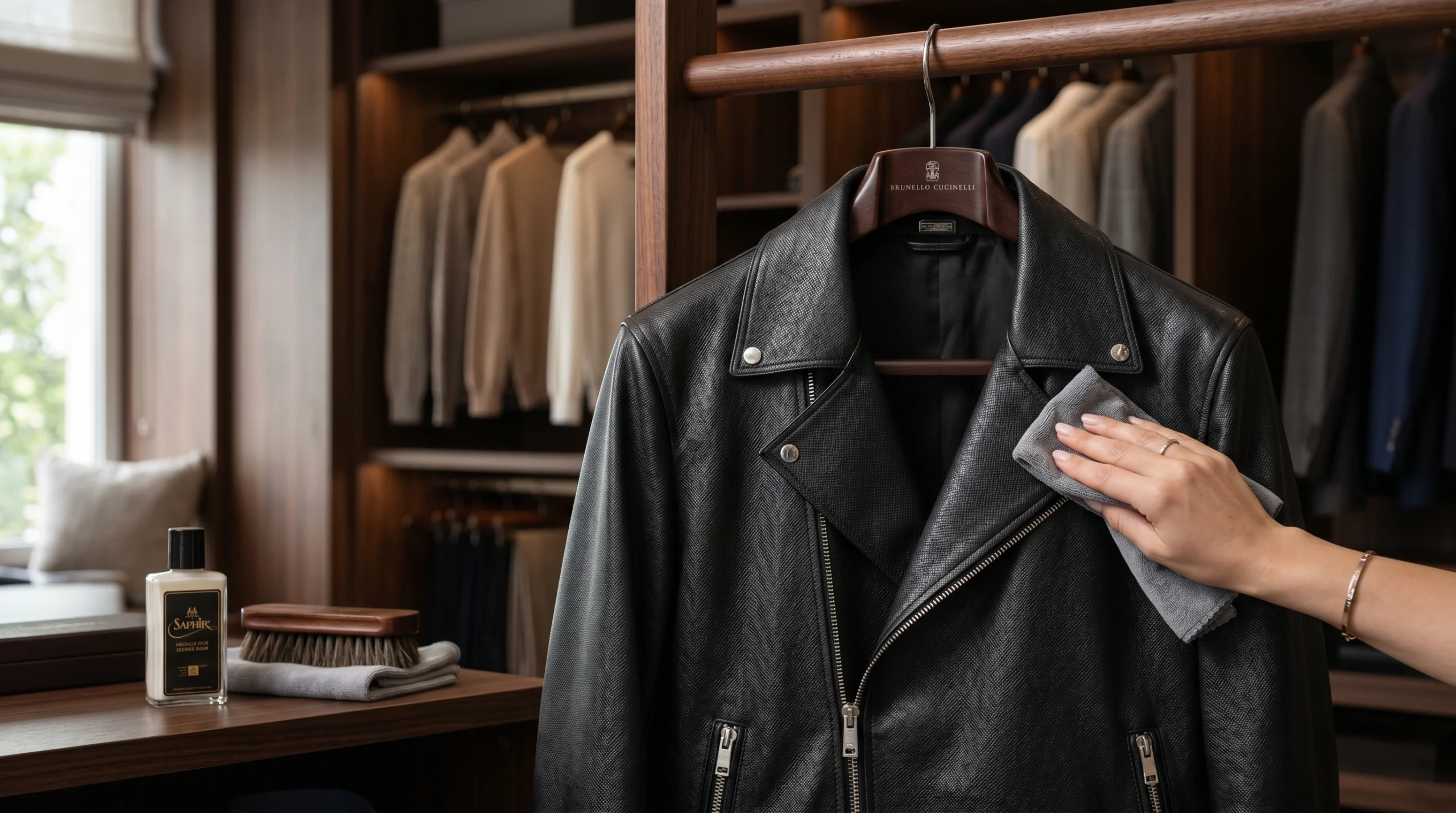
Everyday Cleaning Sequence
- To remove urban dust, dried mud, or salt rings caused by rain exposure, the following steps should be executed:
A clean, lint-free microfiber cloth must be slightly moistened with lukewarm water. - The cloth is wiped softly across the surface, following the directional orientation of the diagonal cross-hatch grid to extract particulate matter trapped within the micro-grooves.
- The surface must be dried immediately with a separate dry towel.
Chemical Prohibitions
Heavy industrial leather conditioners, animal fats (such as mink oil), and oil-based saddle soaps must be completely avoided. Because the wax topcoat is non-porous, these oils cannot absorb into the underlying hide; instead, they will pool within the cross-hatch grooves, forming a sticky chemical film that alters the sheen and turns into a magnet for airborne dirt. No specialized moisturizing is required for Saffiano leather, as the internal hide is permanently sealed against moisture loss by the exterior wax shield.
Conclusion
Saffiano leather remains one of the most respected materials in the luxury leather industry because it combines the natural strength of real leather with advanced surface engineering. Its signature cross-hatch texture, protective wax coating, and exceptional resistance to scratches, moisture, and daily wear make it a practical choice for premium accessories and fashion products. Unlike softer leathers that develop visible marks over time, Saffiano leather maintains its structured appearance and polished finish for years. Whether used in handbags, wallets, luggage, or luxury outerwear details, it offers a balance of durability, elegance, and low-maintenance care. For buyers seeking a leather material that delivers long-term performance without sacrificing luxury aesthetics, Saffiano leather continues to be one of the most reliable and recognizable options available today.
Frequently Asked Questions
Saffiano leather is typically made from high-quality top-grain or full-grain cowhide that is coated with a protective wax finish and embossed with a distinctive cross-hatch pattern using heated steel plates.
Yes. Authentic Saffiano leather is genuine leather, usually crafted from calfskin or cowhide. The term "Saffiano" refers to the finishing process and texture rather than the animal hide itself.
Saffiano leather is popular because of its scratch resistance, water resistance, structured appearance, and long-lasting durability. Many luxury handbags, wallets, and accessories use Saffiano leather for these reasons.
Saffiano leather is highly water-resistant due to its wax-coated surface. Water droplets usually remain on the surface and can be wiped away easily, helping protect the leather from moisture damage.
Saffiano leather has a rigid cross-hatch texture and superior scratch resistance, while Nappa leather is softer, smoother, and more flexible. Nappa develops a natural patina over time, whereas Saffiano retains its original appearance longer.
No. One of the biggest advantages of Saffiano leather is its excellent scratch-resistant surface. The embossed wax coating helps protect the underlying leather from everyday scuffs and marks.
Use a soft microfiber cloth slightly dampened with lukewarm water to gently wipe the surface. Avoid harsh chemicals, leather oils, mink oil, and heavy conditioners, as they can damage the wax coating.
Saffiano leather and PU leather serve different purposes. Saffiano leather is genuine leather with superior durability and luxury appeal, while PU leather is a synthetic alternative that is generally more affordable but may not last as long.
Yes. Saffiano leather ages exceptionally well because its protective coating helps preserve its original color, texture, and structure. It does not develop a strong patina like full-grain leather but maintains a clean, polished appearance for years.
Absolutely. The material's durability, shape retention, stain resistance, and premium appearance make it an excellent choice for luxury handbags, leather wallets, travel accessories, structured outerwear accents, and designer fashion products.


Related Posts
Jacket Materials and Colors Guide: Everything You Need to Know
Continue Reading4th of July Outfits, Jackets and Independence Day Style Guide
Continue ReadingWhat Is Faux Leather? Everything You Need to Know Before Buying
Continue Reading